
Andcross Orthodox online store offers a wide range of Orthodox products - gift sets, icons, icon cases, books, monastery candles, jewelry and much more. Some of the products of our own production, as well as from other suppliers - monasteries, temples, masters of the entire Orthodox world.
Andcross Orthodox Online Store - Established in 1999
On the Andcross website, I was looking for a silver icon of Saint Nicholas the Wonderworker to make a gift to my parents for their 30th wedding anniversary. I wanted to give them something truly memorable, a non-standard gift. The icon is exactly what I needed! It just dawned on me. As if an idea just came to my mind, as if it wasn’t mine.
I started to select the icon from the catalog. There were many good options there. In the end, I decided to take two items instead of one. It was possible to place one order for a set of two icons – I’ve got Jesus Christ and the Mother of God with a Christ Child.
The only thing I was worried about is the delivery to be in time because it was a last-minute order. However, with God’s help, I got it 2 days before the anniversary. My parents were extremely happy with such a gift. They began to come to faith in old age. In their youth, they weren’t actually faithful, there were no icons at home. Only 50 years later, they began to go to church more often, but it’s true for many people when they retire. And it also happened that I gave them icons.
My father made a shelf in the corner to keep them. They say the house has become cozier, calmer, even brighter, and more pure.
I absolutely liked the quality of the goods. Such fine work! May God bless those masters who made them.
Oscar Johnson
Thanks, the Andcross Orthodox store, for the good books you sold me. The Gospels and the Book of Psalms.
I have quite a large collection of Orthodox books at home – but they are mostly written in a journalistic manner. These are the books about monasteries, rules of behavior for believers, and descriptions of the lives of saints. There are art books too. And most of them are simple, thin, overall – nothing special. And lately, I’ve felt the urge and the strength to read more complicated and spiritual books.
I started looking for websites with Orthodox books. I liked the books offered in the Andcross online store right away. The photos already showed me that these books were very carefully and thoroughly made. I read the description: leather covers, printed at monasteries. I ordered two books.
I can say that they look even better in real life than in the photo. And it’s nice to hold them in your hands – the leather is of great quality.
It was also nice to receive a wooden cross as a gift for my purchase. Thank you for such kindness!
The delivery was quite fast. Although, for me, there was no rush. I could’ve waited as long as necessary. Books are not an urgent purchase.
When planning to buy another religious object, I’ll go to the same website without any doubt. There is a large selection of items. I’ve already checked the entire selection and I liked it a lot. But for now, I’ll read my books. Again, thanks a lot for them!
George King
I want to thank the people working in this company for their integrity. You sell good and high-quality products that are worth the money you ask for them. By helping Orthodox Christians to strengthen their faith in the Lord, you do a good thing. And thanks for the gifts that I got my purchase. It means that these people are generous and care about their customers. They treat us as brothers in faith.
I’ve already made two purchases on the Andcross website. My sister also placed an order after my recommendation. Also, my daughter ordered a cross for her granddaughter’s christening. All three of us are satisfied with the work of this Orthodox store.
I really liked the attitude: you can ask questions before ordering. And I like to learn more about the product before buying it. On the website, the product description doesn’t always have the full information that a buyer needs. I contacted them by email and asked a few questions. I always received detailed answers – I can see that people know about the goods and how they are made, where they were produced or consecrated, at which church, and so on.
A few words about prices. I’m not looking for cheap goods. If you plan to buy an icon, a cross, or a table bell, they should be of high quality so that they will last for a long long time. If they are made of precious metals – that’s even better. Such things cannot and should not be cheap. On the contrary, I gladly pay the indicated price if a product is made of silver.
I’m happy with everything, thank you for your work and support of Christians!
Thomas
I’ve made 2 orders on the Andcross website. First, I bought The Book of Akathists to the Mother of God and Various Saints. I paid 60 euros for it. It may seem a bit expensive for a book, but in fact, it’s not. Because it’s a product of surprisingly high quality. Handmade. The cover is made of thick brown leather. It’s eye-pleasing and amazing to the touch. The book was made by nuns in the monastery, and not printed in an ordinary printing house with the use of the same machine as for comics. And this is important. When it comes to religious objects, such things matter. The font is large, the pages are brightly white – the book is easy to read. It has more than 600 pages.
This is the best, the most important book in my library. I’m not just talking about religious literature, but about all the books I have. There are lots of different books in my house. But this one is the best crafted.
My second order was a cross made of 925 silver. It wasn’t made in a monastery but by professional jewelers. However, it was consecrated at the monastery. I can’t describe its beauty – a lot of patterns and small elements on it.
I’ve lost my old cross so I had to get a new one. Maybe it’s for the best, actually. Otherwise, I would’ve never bought such beauty for myself. Since the opportunity presented itself, I could buy a real work of art made of precious metal. I hope it will be with me until the rest of my life – to protect and guard me.
Charley
I opened the website of this Orthodox store almost accidentally. However, there’s no such thing as coincidence. So, I opened the website and was mesmerized by the products… I had no idea that I could just buy icons, put a bell on the table, or keep candles at home. And then I thought – I can do it… I remember my grandparents always had icons in their houses. They were simple, often DIY, and decorated with candy foil. But they were there, and my grandparents prayed in front of them and bowed down to them!
So I decided to get my own icons as well. I have checked the entire catalog several times – it was big. There were images of Jesus, the Virgin of Vladimir, and many saints. I’ve read on the Internet about the purpose of each image, which saint should I pray to, and what miracles they performed during their time on earth and after passing away.
I wanted to buy several icons at once and an Orthodox statuette for the table. My first order was an icon of the Holy Trinity – so the images of God the Father, God the Son, and God the Holy Spirit are in my house. The purchased icon turned out to be even more beautiful than in the photos. I will surely order other icons there. But first, I’ll probably buy a table bell made of silver. It’s also very good for an Orthodox believer to have one at home.
Jacob Young
I’ve been long looking for the icon of St Nicholas on the Internet. There are even websites where it’s possible to buy one. But I didn’t want to get my icon from an ordinary online store, because it’s never indicated if the icon is consecrated. This is not an ordinary item. I did my search and found several sources on the web about Andcross. I made sure that this isn’t another commercial company that sells goods. People working there are really related to religion and pilgrimage, and they’ve been operating for a long time. Icons are made for them, and they are all consecrated, as it should be according to our Orthodox tradition.
I didn’t even care about the price, to be honest. It’s difficult to evaluate the work of real icon painters. There’s a difference in materials and artistic skill and many other nuances. So, the price of 60€ seemed adequate. Anyway, the icon will serve you for a lifetime and can be inherited, that’s why the cost isn’t that important.
The more important thing that I liked it. It’s very beautiful. The front side and the wooden back both look well-built and shiny. It comes with a stand and can rest on it firmly, without falling. Since I touch my icons from time to time – to wipe, take them out, or kiss them when I finish the prayer. Overall, I’m happy with my purchase. I know that Orthodox people created it and Orthodox people sold it to me. This is what matters. As I’ve already said, an icon is not an ordinary item, it’s important to know where it comes from and who sells it.
Jack Adamson
Don’t you know that going on a pilgrimage is a great opportunity to strengthen your faith? When you travel to a shrine or sacred site as a devotee, you can make new discoveries, feel God’s love, enjoy His care, and establish companionship with other devoted followers. Any pilgrimage tour serves as a unique, unforgettable trip that allows an ordinary traveler to investigate important insights about religious faith.
Every year, millions of loyal Christians prepare themselves to embark on a pilgrimage. Their routes lead them through amazing places that have already been visited by pilgrims from all parts of the world. These are holy sites and springs of Saints that can heal your body and soul without medical interventions. For any true believer, the journey of pilgrimage represents a good chance to foster personal growth, initiate body, mind, and spirit healing, boost the confirmation of faith, and, finally, find the Father’s grace.
The Value of Pilgrimage Tours organized by ANDCROSS,
the Pilgrim Ecclesiastical Educational Centre
Assess the valuable services offered by our pilgrim centre, which assists every Christian in the complex process of turning into a pilgrim. You know that you have to leave your sweet home and make a pilgrimage tour that will take your time and effort. You shouldn’t hesitate to do it in order to return home with positive impressions, hope, reverential trust, and newly integrated confidence in the Almighty’s power.
Our pilgrim centre is headquartered in Estonia. It’s our mission to increase collaboration with Orthodox Christian organizations, groups, and individual worshipers in order to promote the spiritual, mental, and emotional resiliency of our members. Our tours of pilgrims are well-organized and properly managed to let the participants encounter religious culture, plant their faith-based practices, meet the divine people, and boost spirituality. Safe routes, comfortable schedules, a friendly atmosphere, and caring relationships are guaranteed.
Just comply with the instructions given below:
ANDCROSS – the Best Orthodox Workshop Store
That’s Worth Your Visit
We would like to draw your attention to our extraordinary workshop store. Amazing collections of understated Orthodox silverware, Orthodox silverware with gold, Orthodox books, miraculous icons, bells, and candles are available for our customers. The Father’s love is unconditional. Each item from our exclusive collections of jewelry, artwork, and books reflects the love and care of our Lord. Christians can’t perform their daily rituals without these items. They utilize them in worship practices both for decoration, motivation, ambiance, and as divine symbols that convey the light of the Almighty or His Son.
You will feel like visiting our unique online store again and again. Our skilled craftsmen from different churches, cathedrals, and monasteries are aimed at following both the ancient traditions of Christianity and church canons. Check out our website at https://andcross.eu. Discover more of our high-quality handmade products right now! Turn your religious ceremonies into high-pointing events with our consecrated silver crosses of different sizes decorated with sacred images of biblical personages, silver Christian rings that emphasize your spirituality, bells, candles, gift sets, Orthodox books like the Bible and others, and Orthodox icons of honorable saint figures. Made with love and prayer!
Start your search for the useful religious objects you need for the holy act of worship. Never ignore the traditions of the Church! Go to our site at https://andcross.eu God bless you!
Pilgrim Ecclesiastic Educational Centre Andcross
QUESTION
The name Jesus – what’s its meaning?
ANSWER:
Every name has a special meaning. But even if this wasn’t true, there would exist one name with a powerful meaning – it’s Jesus. The Scripture says that Christ was given a name that was “above any other”. All heavenly, earthly and hellish creatures had to bow down before him.
Joseph and Mary didn’t choose this name for their son. It was an Angel who told them. The translation of the name Jesus is “Yahweh saves”. And so it happened: Jesus was our Savior. When transliterated from Aramaic and Hebrew languages, this name means “Yeshua”. It begins with the “Y” (which stood for Yahweh, the Israeli god). The second part of “Yeshua” is “Yasha”. This is a verb, which stands for “to save”.
In the English language, its spelling is “Joshua”. However, if you translate it from Hebrew into the Biblical Greek, the spelling will be “Jesus”. The English transliteration is Iēsous, which is read as “Jesus”. Thus, it stands for “Yahweh saves” or – God saves. It can also be interpreted as “The Lord is salvation”.
It was a popular name in Judea in the 1st century AD. Probably, that’s why the Savior was given a special nickname – Jesus of Nazareth. He was born and raised in this town. Despite being a commonplace and a household name, it’s still very important. We must not use it in vain because God sent His Son to Earth with a very specific mission, as we can state from his name.
From the Old Testament, we know that Jesus led his sheep to righteousness and triumph over their sinful acts and enemies of the soul.
The Holy Scripture says that the Lord sent His begotten child, born under the Law, so that he would save those who were under it and they also would become children of God. Thus, He sent His child to save all his children on earth. By analyzing his name, we can also learn his mission – to be the Savior of the world.
Along with incredible popularity, the simplicity of this name emphasizes how close he is to ordinary people. It speaks about his compassionate and humble nature. Jesus rejected his glory and chose to live like a humble and ordinary person. The Scripture says that he truly lived and acted like an ordinary person but was also showing people the ways to salvation. His deeds made him worthy the name Joshua, the only begotten son of God.
Although the name Jesus means a lot, the person who was given it is also of great importance. Power and strength are embodied in Christ. And his personality is closely intertwined with his name since it’s associated with his character, traits, and deeds. There are a lot of things in the Bible that characterize Jesus.
His name has the essence of salvation within it. He was the stone that the builders rejected, but he was the cornerstone. This is people’s opinion about Jesus – this is what’s written in the Scriptures.
With his name, the flock will find salvation. With his name, people shall be saved. Such epistles to John, the Corinthians, and Joel can be seen in the religious texts. There exist lots of verse or stanza containing such or similar words, which is a guarantee of their verity.
The name Jesus grants remission of sins. All sinful acts indicate the presence of the Son of God. And those who believe will receive remission of their sinful acts.
The sign of the cross or crossing yourself is made in the name of Christ. The Apostle Peter said: “One must be baptized to get the forgiveness of his sins”. The sign of the cross can be made on one’s forehead only after sincere repentance, and then the Holy Ghost will descend on the believer.
All miraculous acts, recoveries, and other deeds were made in his name. Only by having faith in him and salvation, a Christian becomes strong and his faith and health get stronger. And healing comes. By the way, the healing of faithful is one of the most significant deeds of the Savior.
Jesus also teaches his flock to pray in His name. Most importantly, you need to pray the way he would do it. And then he will do what he is asked in His name so that the Father will be glorified in His Child. He said that he will do everything that is asked in His name.
The entire personality, charisma, character, and deeds of Christ correspond to his name. The word “Jesus” tells us about his power, and most importantly – the purpose of his resurrection. It make us confident that the Lord will never abandon His children, but will save them as His beloved son. And this is the merciful intention of Our Lord – to lead all people, all believers to Salvation.
It was Jesus who brought his Father to the flock and promised them salvation. The New Testament says that if people behave as the Lord wishes, they will be saved. The very existence of every man should be aimed at glorifying God and lived in the name of His child, the Savior. People should live in a way that they praise it in every minute of their deeds, thoughts, and intentions.
Pilgrim Ecclesiastic Educational Centre Andcross
The Icon of Our Lady of Vladimir
This icon of the Theotokos is the earliest miraculous icon that has survived to the present day. Moreover, it’s one of the most revered icons of the Russian Orthodox Church.
The silver-plated icon of Our Lady of Vladimir has a beautiful history. Its creation is rooted in the past. This icon is valued as one of the few values of Byzantine art of the Komnenian period (known as the 12th century Renaissance) that have been preserved in their original form to the present day.
The Icon of Our Lady of Vladimir (The Virgin of Vladimir) is highly important to the Russian Orthodox Church and people from all over the world. It is mentioned in ancient Russian literature and served as an inspiration to many other iconography styles.
Nowadays, copies of this icon can be found in many homes. Orthodox people from all over the world venerate the Icon of Our Lady of Vladimir.
Information about the icon
The Vladimir Icon of the Mother of God is a high-quality copy of the Byzantine image, presented as a gift product.
The size of the icon: 5.12” (width) x 7.10” (length) – or 13 x 18 cm. The image is an authentic and high-quality copy of the Byzantine icon. The silver-plated icon of the Virgin of Vladimir is reproduced using the same colors as in the original painting. It’s coated with 999 fine silver and crafted using modern PVD technology in compliance with all standards. The production fully complies with EU requirements. The miraculous image has been treated with a special solution that allows it to look as good as new for many years. The varnish prevents the icon from environmental damage, dust, and insects.
This icon is made by hand from a brown MDF board. Available in two versions – silver-plated and gold-plated. The photos of the item were taken in the Andcross photo studio https://www.andcross.ee/Gallerystore/
The Icon of Our Lady of Vladimir is securely wrapped in a beautiful gift box.
The miraculous icon was made in the European Union as a special order for the International Orthodox Art Corporation Andcross https://andcross.eu/
People pray to the Icon of Our Lady of Vladimir with multiple different requests. Some want their loved ones and relatives to be healed from the diseases, others turn to her in a moment of despair and when making important decisions. People pray for a peaceful and happy marriage, understanding and harmony, and strong marriage ties. They turn to the icon of the Virgin of Vladimir with prayers for themselves, relatives, and close ones, their well-being, health, and prosperity.
Buy the Icon of Our Lady of Vladimir
The silver-plated icon of Our Lady of Vladimir can be a great gift for a family member or a friend. It will also decorate any house. The icon is neatly and efficiently wrapped in a gift box, so there will be no need to get extra packaging for it!
You can purchase the icon on our website. We guarantee:
We often deliver high-quality and authentic copies of icons from Europe at favorable prices. All icons you find in our store are made in accordance with EU quality standards.
Place an order on our website. We will deliver authentic and high-quality copies of the icons from Europe to any part of the world within 5-20 days.
Pilgrim Ecclesiastic Educational Centre Andcross
When in desperate need of help and protection, we seek the assistance of Higher Powers. And the saints are always there to hear us out. Thousands of people across the world make requests in front of the icon of St Spyridon: this saint is deeply honored by Orthodox and Catholic believers.
Before becoming the bishop, Spyridon led the humble life of a righteous Christian. He was a shepherd and had a family. Throughout his life, he remained a simple and virtuous man. After the tragic loss of his beloved wife, he devoted his life to the church and began serving God in good works.
Saint Spyridon was helping people with their problems by giving away his own property and praying for favorable weather during droughts. For these virtues and charity, the Almighty bestowed him with the ability to perform miracles. Sadly, his time on earth has long ended. But we still can get the saint’s help through fervent prayer in front of his image. He hears everyone who has pure intentions.
Saint Spyridon of Trimythous has spent the majority of his life in Cyprus, where his remains are kept nowadays. Not many people have a chance to go on such a long trip to see his relics and make a request at the holy site. However, there’s a belief that the saint himself still travels to those who need his help – the pair of silk slippers covering his feet wears out and is replaced every year.
Believers address the holy man with all kinds of requests. He is known as a patron of entrepreneurs and working people and generously helps with all problems related to finding a good job, buying or selling a property, and dealing with financial difficulties.
Parents buy the icon of St Spyridon of Trimythous to ask for protection for their children. Improving health, showing the right way in life, and shielding from evil – these are the frequent prayers to this saint.
Young couples may ask the saint to strengthen their union, find mutual understanding, and live in a happy marriage. People state that daily prayers in front of his image helped them to avoid major complications with their spouses and save the family from falling apart. There are no unimportant problems for the kindhearted saint. He listens to our daily concerns and guides us on the right path.
Our busy lives don’t allow us to attend church often. Although it’s important to say prayers every day if you want your problems to be solved. Having an image of Saint Spyridon at home can increase the chances to be heard and helped.
The Andcross online store https://andcross.eu/ has handmade images of Bishop of Trimythous in stock. The size of the item: 5.12” (width) x 7.10” (length) – or 13 x 18 cm. The reproduction is covered with 999 fine silver. The gold version is also available. The image is firmly attached to a wooden stand and already concentrated.
An icon of St Spyridon of Trimythous can be a thoughtful gift for:
Every icon comes with a gift box, so there will be no need to pay for extra wrapping.
The concentrated image of Saint Spyridon will create a special aura in the house. You will always feel protected by Heavens and be able to turn to the icon as often as necessary.
You can buy the icon of St Spyridon of Trimythous and other Christian items in the Andcross online shop https://andcross.eu/
We offer high-quality handmade products that will serve for decades. We ship goods to any country of the world. Make a great gift for yourself or your loved ones to show them your affection and care.
Pilgrim Ecclesiastic Educational Centre Andcross
There’s no more holy spot on earth than the birthplace of Jesus Christ. The small Church of the Nativity is full of a magnificent aura that attracts visitors from all over the world. This is exactly where the icon of Our Lady of Bethlehem can be found.
This sacred image is an outstanding piece of art and an object of worship for millions of Christians. First and foremost, this is the only depiction of the Virgin Mary where she smiles. Traditionally, we see the Mother of God looking sad or worried (because we know how deep her pain and sorrow are). Here, on the contrary, we have the unique opportunity to admire her kind smile.
The history of the icon is full of controversial theories. According to one of them, the image was able to cure the Russian Empress Elizabeth from a serious illness, and the grateful monarch brought it to Bethlehem herself. She also donated her garments and jewelry to “dress” the Queen of Heaven appropriately.
In our time, the Bethlehem Icon of the Virgin Mary is known for numerous miracles and other examples of how the gracious Queen of Heaven helps all children of God through her image.
The smiling mother of God has a special meaning for Christians. Just like she rejoices at the birth of Christ, so all mankind rejoices because it has found its Savior and hopes to enter the Kingdom of Heaven. The composition shows us the righteous path and reminds us that salvation lies in faith in God.
In the painting, Mary is holding Her Infant. In His left hand he has a cross-bearing orb, and his right hand, he blesses everyone who comes to see the sacred image. The Blessed Virgin points to Christ as if indicating that we must never abandon our trust and faith in Higher Power.
The icon has found its permanent home in the Church of the Nativity in Bethlehem. Unlike some other icons, the treasure never leaves its place in the basilica. Since making a pilgrim trip to Israel may be expensive, it’s better the buy the consecrated reproduction of the wonder-working image.
The icon is a symbol of happy maternity. If you’re dreaming of having children, ask the help of the Theotokos. The gracious and generous Mary will grant the joy of motherhood to every woman who prays with pure thoughts.
The Virgin Mary is the closest person to Our Lord, so every prayer to her has huge power. Many Orthodox believers turn to the miraculous icon to ask for blessings, tranquility, and peace. The prayer may include any of the following requests:
You can buy a consecrated replica of the icon of Our Lady of Bethlehem in the Andcross online store https://andcross.eu/ The size of the item: 5.12” (width) x 7.10” (length) – or 13 x 18 cm. The image is covered with a 999 fine silver plate and comes in two versions: silver and colored.
Finding a quality reproduction of this sacred image may be quite difficult – despite its unique character and fame, not many icon painters decide to copy the depiction of the smiling Theotokos. The Andcross Art Store partners with talented and skilled masters who recreate the finest details of the miraculous icon with great devotion and dedication.
The icon of Our Lady of Bethlehem can become a thoughtful gift for a true believer. Place your order today, and let the gentle smile of the Mother of God warm your heart and soul.
Pilgrim Ecclesiastic Educational Centre Andcross
One of the most beloved subjects in Orthodox iconography is the depiction of the Holy Family. This is not a traditional image but rather a portrait in the Renaissance style. Despite such unusual nature, the icon of the Holy Family is venerated in the Eastern Orthodox Church like many other sacred images.
The Holy Family isn’t widely mentioned in the Gospels, although it proves the fact of the earthly life of Jesus Christ and His human embodiment. Despite multiple speculations about the canonicity of this depiction, there are churches, art objects, and icons dedicated to the Holy Family. Faithful people consider it the ideal model of every Christian family.
The composition always depicts three figures: Jesus as a Child, Mary, and St Joseph. The Holy Child occupies the central part of the painting and His parents are standing behind Him. The whole scene of them together irradiates serenity, peace, and harmony.
It’s believed that the original painting was created in Italy, and its copies were brought to different countries as pieces of art. Today, the icon is revered by many priests and millions of believers, especially in Israel and Russia. Jews and Russian Orthodox see it as a representation of family values and love.
The veneration of every sacred object usually begins after the miracles it performs. This is exactly what happened to the icon depicting the Holy Family. Brought from Italy as a beautiful portrait, it revealed its wonder-working character only 40 years later.
According to the legend, one lady was suffering from all sorts of troubles at once: her husband was sent to exile, her son was captured by enemies in the war, and their house was taken away. She turned to the Blessed Virgin in the hope to find the solution. And the kindhearted Mother of God showed the poor woman the way. She appeared to her in a dream and told to look for the image of the Holy Family.
The woman went to every church in search of this icon. And finally, she found it. With tremendous fervor, she was praying in front of the image. And the miracle happened: her family came back to her, their name was cleared, and the property was returned.
Everything is possible if you have faith and remember to thank the Almighty and Higher Powers for help and protection. With the image of the Holy Family in front of your eyes, it’s easier to become closer to God and live a righteous life.
The icon of the Holy Family is the most common souvenir that pilgrims bring from Jerusalem. This painting is quite popular in the Holy Land. Local Jews and Christians believe that the patronage of the Holy Family may save them from numerous troubles.
Indeed, prayer in front of the consecrated image has impressive power. You can ask the Holy Family to:
You can buy a beautiful depiction of the Holy Family in the Andcross Art Store online
https://andcross.eu/product/the-holy-family-jesus-the-virgin-mary-and-saint-joseph-christian-icon-handmade-silver-999-plated-icon-gift-box-handmade-b382/ The size of the item: 5.12” (width) x 7.10” (length) – or 13 x 18 cm. The work is covered with a 999 fine silver plate and has a practical wooden stand at the back.
There’s a tradition of giving the image of the Holy Family to the newlyweds – as if blessing the beginning of family life. In front of this icon, spouses can offer prayers for building strong relationships, raising children, or finding mutual understanding. The sacred image can be a wonderful gift for a wedding day or anniversary and when a child is born.
You can buy the consecrated icon of the Holy Family for yourself or your loved ones. The Andcross Art Store provides a free gift box with every item. The image will bring warmth, harmony, and happiness to any family.
Pilgrim Ecclesiastic Educational Centre Andcross
If you ask anyone to enumerate precious metals, most people will immediately name gold and silver. In Christianity, these two metals have not only material but also spiritual value. No wonder there are more than 300 mentions of silver in the Holy Scriptures.
In the Middle East, this metal has been used in trade, as currency, and for making jewelry since ancient times. Thus, Abraham, the first Hebrew mentioned in the Bible, was rich in silver (among other things) and actively used it. And before their departure from Egyptian slavery, the Israelites asked for silver from their neighbors at the behest of the Lord.
Silver in Christianity is closely related to purification. Pure soul, pure thoughts, and pure beauty of this metal are intertwined concepts. However, silver can also be associated with temptation.
There are many examples in the Bible showing us how silver can bring not only good but also evil. It all depends on the intentions of the owner and the way he uses it. After all, wealth can darken the mind and make you turn away from the right path.
Thus, the story of Joseph sold by his brothers serves as an example of the first sin associated with silver. God has repeatedly warned people against using valuables for sinful purposes. Thus, before the departure of Israelites from Egypt, he commanded: “Do not make silver idols to worship in place of Me”.
And the most remarkable example of using silver for evil purposes is Judas’s betrayal of Christ for 30 pieces of silver. Therefore, it’s much better to consider silver not as a currency but as a precious metal for making beautiful objects. This is the wisdom of the Lord – to rejoice in beauty instead of becoming its slave. A lot of objects in churches are made of silver. And parishioners try to get durable objects for wearing and using at home every day. The objects that look great and can serve for generations. You can order silver items on the website of the Andcross Orthodox Art Corporation. In the online store, there is a large selection of objects that a believer can wear on his chest and hands or use to protect his house from evil.
Of course, icons and crosses are the most popular products in the store. There are numerous options to choose between on the website of the Orthodox corporation.
Icons of Jesus Christ, the Holy Trinity, the Mother of God, and all the most venerated saints in Orthodoxy exist in different versions and artistic styles. But all of them are united by their incredible beauty and durability.
The crosses are handmade by Orthodox craftsmen with prayer and care. A person can wear them his entire life – from the moment of baptism – and feel the grace of Our Lord. Each cross offered in the Andcross online store is a real work of Christian art.
Apart from crosses, Orthodox Christians can wear pendants or lockets on their chests. These items with the depictions of the Guardian Angel, Nicholas the Wonderworker, and George the Victorious can be found on the Andcross website. Also, you can find silver rings or bracelets to wear on your hands and wrists.
You can also buy a silver table bell on the website of the Andcross International Orthodox Art Corporation. The sound of the ringing silver bell is a joyful and good melody for every believer. As much as it’s pleasant for people, it’s also unbearable for evil spirits. The ringing of the bell drives it away. That’s why, having even a small silver bell at home will be great. Orthodox craftsmen carved incredibly beautiful images in the upper part of the table bells. Most often they depict angels.
On some silver products, it’s possible to make inscriptions. For example, one ring you can buy in the store has the engraving in Church Slavonic “Lord Jesus Christ, Son of God, have mercy on us sinners” inside. In fact, we should repeat these words throughout the whole day. But we often forget to do it because we’re too busy. To some extent, the inscription on the ring does it for us. On other models of silver rings, the inscriptions are engraved on the outer side.
Every item created by craftsmen from different countries for the Andcross Orthodox Art Corporation is made from church silver. However, don’t think that it’s a special kind of metal. Church silver is called this way because the items are consecrated in churches and monasteries in accordance with the Christian tradition. Only after the priest says his prayer, the product acquires the strength and energy that help a person.
Pilgrim Ecclesiastic Educational Centre Andcross
Trading the Christian worship items on the Internet is significantly different from any other kind of sales. Actually, in such a case, the things that matter aren’t only the quality of materials, manufacturing technology and various parameters that are standard for any goods.
When ordering icons, crosses and other items related to religion, the spiritual component is very important. Was an item blessed? Was it sanctified in the church?
When buying worship items on our website (https://andcross.eu/), you can be sure about the positive answers to all the questions mentioned. Many items for the online store of ‘Andcross’ Orthodox corporation are made in workshops and/or by private craftsmen at monasteries and churches.
If you purchase a figurine, a bell or a ring, you’re absolutely guaranteed that these items are made in accordance with all the rules and canons of religion. You buy not just a beautiful thing that looks like a wonderful picture. And that’s the only correct approach to the manufacturing and trading the items that help people strengthen their faith, keep in touch with God, heal themselves from physical and spiritual afflictions.
The International Orthodox Corporation has connections with craftsmen from different countries all over the world. Therefore, we have an opportunity to select and offer our customers the best samples of Christian art.
Pilgrim Ecclesiastic and Educational Center Andcross has its own online store. Its goal is more than just to sell goods but to help believers. People need books, icons, and other items of worship for praying and performing some of the Orthodox rites. You can find them on the website https://andcross.eu/. Our vast range of goods allows you to choose exactly what you need and like.
We guarantee the high quality of our goods. The icon frames, statuettes, bells, crosses, and rings are made of precious metals – mostly silver. Gold was used for crafting some models. All books have leather bindings. Items made of such materials can be used for many years and still look like new.
It is not only the materials that matter. The place of production matters too. For example, the books we offer weren’t printed in an ordinary printing house, but by the nuns of the monasteries. The metal objects were created in the church workshops. It means that the objects were made by professionals who are also Orthodox. They were working with a blessing, prayer, and love.
I live in a country where there are not too many Orthodox people. It may be difficult to find items that I need. I’ve been to some shops but the selection was poor there. I’ve always wanted to buy icons for my house and give them to my children so that they don’t forget our culture and the religion of our ancestors. I wanted them to preserve it, and then pass it on.
So, I began to search the Internet. There aren’t actually way too many offers when start looking closely. At some stores, the prices are huge, the others offer expensive delivery. Some stores sell icons but don’t indicate where and who made them – as if they are ordinary paintings. After my long search, I’ve found a good website https://andcross.eu/. Everything item they sell is consecrated and made in monasteries or churches.
My first order was an icon of Saint Spyridon. I’ve been dreaming of buying it for a long time but couldn’t find it anywhere. This saint helps in many spheres, especially when you have problems at home and work. I’ve got a very beautiful silver icon at a reasonable price. And it was delivered quite quickly.
So I ordered another icon – the Holy Trinity – for my son. And now, I’m getting a cross for my grandson. He was baptized 7 years ago and we’ve bought a very small one. Now, he is older so I think it’s time to give him a good silver cross so he can wear it for the rest of his life.
I bought an icon of Saint Nicholas the Wonderworker in a silver and gold frame. The colors are different. A truly beautiful work. I know that this saint will help me in any difficult situation. Sometimes, when it’s possible I pray to him out loud. Or silently. It’s not that important. The main thing is to ask for his intercession. Going to church to pray in front of his icon is the best idea. In my church, there are 4 icons of St. Nicholas, so I stand near each of them, pray and kiss them. This is how I’ve got an idea to have the image of my patron at home.
I made my order on the website https://andcross.eu/.
They offer plenty of icons of this saint, and there are also many others. They are different in size and price. I chose the 13 x 18 cm icon. My icon arrived 11 days after the order, in a beautiful box. It came already consecrated. I put it in the most visible place on the second tier of the computer desk. When I’m sitting at my desk and working, the icon is located right above my head. I look up and see it.
Since this purchase, I began to pray to Saint Nicholas more often. When something doesn’t go as planned, or I have problems at work, or I need to make an important call, I just move away from the table, look at the icon, and ask Nicholas to help. Surprisingly enough, my problems are solved without me doing anything, the right solutions come to my mind, and my boss doesn’t sound angry, even if he has a reason to.
The Andcross online store https://andcross.eu/ offers goods for Orthodox Christians. You can use these Orthodoxy items at home or at work or wear them every day. We have icons, books, figurines, rings, crosses and many others things. In our store, you’ll a large selection of silver icons: Jesus Christ, Our Most Holy Lady Theotokos , the Holy Trinity, as well as the most revered saints – Saint Nicholas of Myra, Saint George the Victorious, Saint Spyridon.
Made of precious metal, these icons will last for decades or even centuries. You can buy them for your own use or as gifts for your relatives, friends, and fellow Christians.
Many other goods in our store are made of precious metals as well. Rings and crosses are highly durable and diverse – each of them has its unique beautiful pattern and inscription.
Many of our goods are crafted in workshops at monasteries located in different countries of the world. The clergy blesses the craftsmen, and they work with prayer and love for what they do.
When buy such items, you get the good attributes that the manufacturers have added to them. The mercy of Our Lord and the intercession of the Saints will come to your house with them.
The Holy Gospel Book is a great tool for establishing and feeding the spirit of a true Christian. This is a universal source of daily wisdom for believers. The book helps to absorb strength, improve faith in Our Lord, and find answers to the most tricky questions about our existence, namely, why we came to earth.
Traditionally, the Book includes 4 canonical gospels and is considered to be the first part of the New Testament. This is great work to begin your journey to God with and strengthen your faith. It contains everything we know about the life of Jesus of Nazareth. A righteous person can learn many lessons by simply reading this story.
In Eastern Orthodoxy, the Gospel Book is venerated in the same manner as the icons and plays a central role in liturgy – the priests read the extracts from the book during the Divine Liturgy and other services in a church. There are some beautifully adorned and jeweled editions made in monasteries. They are now kept in treasuries and museums.
Simply speaking, the Gospels contain the description of the life of Jesus Christ, including His miracles and teaching, his suffering, death on the cross, and accession. There are four versions – the same story is told from 4 unique perspectives (as witnessed and written by apostles – Jesus’s closest disciples):
The narrative is way bigger than just a story of how Jesus had lived and died. In between the simple words, there is hidden a life-transforming message. It’s about every faithful person and the true meanings of love, mercy, and forgiveness.
Despite sharing the same story, all gospels are different and show Christ from an independent perspective. The Gospel of Matthew focuses on the prophecy that Jesus of Nazareth is the promised Messiah. In the Gospel of Mark, He is shown as a suffering servant of God. The Gospel of Luke portrays Jesus as the Savior of us all. And the Gospel of John discloses the divine nature of Christ.
The Holy Gospels have particular importance for every faithful person because they contain the teachings of Jesus. They are a voice of Christ that speaks to us in a symbolic and mysterious way. They are a milestone on which Christianity is built. Although the content of the Book hasn’t changed, present-time believers still find knowledge, wisdom, and answers to their questions there.
Reading the Holy Gospel Book can be your guiding light navigating you through the sea of everyday problems or your protection against evil. Through this book, God is able to speak to us. Through this book, He can shepherd us into faith. Through this book, human souls are united with Our Lord.
Reading the Book of Gospels is not like reading an ordinary book – you should do it repeatedly, with great reverence and attention. Nothing that is written here can be omitted or considered unworthy of your consideration. Once you are able to perceive these messages with your mind and heart, they will stay with you forever and will guide you toward the Light and Salvation.
For a Christian, reading and listening to the lines from the Gospels may act as a spiritual exercise. Having a book at home and turning to it regularly can lead you away from doubts and give you the necessary wisdom about life.
If you decide you buy the Holy Gospel Book for yourself or as a gift to loved ones, it’s better to get a quality gift edition. Items made in monastery workshops have special significance – they are made with love and blessing. You can order the leather-bound Holy Gospel Book crafted by nuns at Andcross Orthodox Workshop Store. This unique item will be a great gift and serve you for decades even if using it frequently.
The first image with healing powers in history is the icon of the Savior, Image Not-Made-By-Hands (also called Acheiropoieta). After Jesus Christ wiped His face with a napkin, the imprint of His face remained there. Abgar V, the ruler of Edessa, was cured with the help of that cloth.
Since that episode, more wonder-working icons began to appear in the Christian world. Praying to them heals both the body and the soul from diseases, even in those cases when medical treatment doesn’t work.
One of the proofs that the icon has a miraculous power is myrrh-streaming. Drops of an oily liquid (myrrh) can appear on the images, just like they appear on the relics of saints. It’s impossible to say how many icons have been seen with myrrh-streaming. But these facts remain: the Orthodox world has witnessed this phenomenon. And science cannot explain its nature, no matter how hard scientists try.
Moreover, some wonder-working icons appeared to people by the grace of Our Lord. For example, such a thing happened in the Russian city of Kazan in 1579. After a big fire, the Virgin Mary appeared to a 10-year-old girl Matrona and pointed out to the place in the ashes. This is how the Icon of Our Lady of Kazan was found. At the site of this discovery, the Kazan Bogoroditsky Monastery was erected. Matrona became the first nun there and changed her name to Mavra. The day of the finding is July 8. Now it’s celebrated as a major Orthodox holiday.
Icons are known to save not individuals only, but also entire nations. Thus, in 1395, the huge army of the Turkic conqueror Tamerlane invaded Holy Rus. Christians had little military experience but their spiritual defense turned out to be incredibly strong. When the Icon of the Virgin of Vladimir (already known by that time for its miracles) was brought to Moscow, the army of conquerors turned around and moved to the east for no apparent and explicable reasons. Mass prayers of Muscovites in front of this icon also helped to save the city and the whole country from the raids of other Tatar khans – Akhmat Khan in 1480 and Mehmed III Giray in 1521.
Some icons are universally recognized as wonder-working and have been full of miraculous powers for hundreds of years. And some images are simply prayer-soaked since many people throughout the Orthodox world were praying to them. There are no facts of incredible and rapid recovery from illnesses related to these images, but at the same time, churchgoers get their help in everyday matters and health improvement. Should such icons be considered wonder-working? Perhaps, every believer can answer this question for himself. There is a belief that any icon can become wonder-working if you pray hard in front of it.
Knowing about these icons and their miracles, any believer wants to become a part of this wonder. It’s a truly normal desire to see the image with your own eyes, pray in front of it, kiss it, thank Our Lord, and ask for His mercy for yourself and your loved ones. Since wonder-working icons are rare, they are not available to everyone. So, you need to go on a trip and spend the whole day (or more) on the road. And the longer such a journey takes, the more you need to prepare for it. It’s not just about the things to buy for the trip, but more about the mindset.
This is how a simple visit to the church turns into a pilgrimage. Even if the main goal of the trip is to witness a wonder-working icon, pilgrims can also participate in other activities: attend worship service, take communion, bathe in the holy spring or even stay at the monastery for a while and help its inhabitants in their labors.
A person who has never been on pilgrimage, but wants to start, can seek the help of his co-religionists. The Andcross Pilgrim Ecclesiastic Educational Center has been organizing trips to holy sites in different countries for more than 20 years. You can find the list of upcoming trips, their details, and photos of our previous trips on the website https://www.andcross.ee
Together with brothers and sisters in faith, it’s much easier to make unforgettable trips. Many of these journeys would be difficult to make alone.
The Andcross Orthodox corporation also offers icons for all believers. The images of Jesus Christ, the Virgin Mary, the Holy Trinity, and the most revered saints are crafted by Orthodox masters with impressive artistic skills and made according to all canons.
These icons are new. Their history and energy should not be compared with those relics that we’ve mentioned above. However, having icons at home is very good for every believer. Most of the icons that you can buy are made using precious metals – gold and silver. Therefore, they will serve for hundreds of years and eventually also become relics themselves. Maybe they won’t be significant for the entire Christian world, but they can be your family heirloom.
You can contact our Orthodox corporation by e-mail store@andcross.eu. Feel free to ask any questions about pilgrimage, purchasing icons, and many other inquiries related to the Christian enlightenment.
People tend to love and be loved, to help and ask for aid. But who can we expect to love and aid us in the first place? The person who’s been in trouble himself will surely help. The person who loves himself knows how to love others.
In her life as a human, the Virgin Mary experienced both the pleasure of being a parent and the pain of losing her son. Isn’t that why she is so merciful to sinful people!? She is the first person who many Christians turn their prayers to when they are in trouble or dealing with grief and sorrows.
Many miraculous healing episodes are believed to happen thanks to the icons of the Most Holy Theotokos. The number of people saved by her is countless. We can also find mentions that praying in front of her icons helped save cities and nations from epidemics, wars, and fires.
Thus, in 1395, the Icon of the Virgin of Vladimir was brought to Moscow and stopped a huge army of the conqueror Tamerlane. Up to the present day, scientists haven’t found a logical explanation for why the mighty khan suddenly turned around and led his troops back to Asia without a fight. However, it’s obvious for believers: the heavenly power turned out to be stronger than weapons.
Another curious thing happened in the mid-17th century when a plague raged in the city of Kazan. The decision to bring the image of the Virgin Mary from the Sedmi Ozernaya monastery to the city has been made. This icon had previously been useful for the Kazan inhabitants before. The whole city, even the local authorities, was outside to greet the icon and repent of their sins. The image was carried throughout the entire city and the epidemic subsided.
The “Unburnt Bush” Icon has been used to prevent fires since ancient times. Thus, if a building was on fire, this image was carried around it so that the flame wouldn’t spread to nearby constructions.
The Most Holy One is the main protector of women. The praying girls get her help with getting married, having children and raising them. She also protects the family from evil influences.
The Mother of God is especially generous with children. In order for them to grow up healthy, she protects them from sin and a harmful environment. She supports them since the day they are born and directs their attention to good activities.
In general, anyone can turn to the Queen of Heaven with his prayers. The important thing is to do it sincerely, with a pure heart and good intentions.
There are different ways of depicting the Virgin Mary and the Divine infant. She can hold Him both on her right and left sides. He can be seen in her hands or painted separately from her. He is often depicted hugging His mother. He uses His hands to bless or hold a scroll or a book (rarely). The Virgin Mary herself is quite often portrayed waist-length, but there are also head-and-shoulders or full-length images. There are many other nuances but each of them meets the requirements of Orthodox customs and is canonical.
You can find a large selection of icons of the Virgin Mary on the website https://andcross.eu/. The Andcross Orthodox corporation organizes pilgrim tours, promotes Christian enlightenment, and has its own online store.
The images of Saint Mary are made in various artistic styles. They have different shapes and sizes. However, all of them strictly comply with the Orthodox canons and are consecrated. They are handcrafted by Orthodox masters from different corners of the world.
Gold and silver are used in the production of many icons. These precious materials make the images valuable assets. Moreover, they can serve you for a long time.
Apart from the widespread images of Saint Mary with the Divine infant, there are several versions of the Softener of Evil Hearts Icon or the Icon of the Mother of God Seven-Shot. In both of them, the swords piercing the Mother of God symbolize suffering and worries for her son. It’s good to pray in front of this icon when there is enmity. It helps reconcile – whether people are quarreling with their spouses, relatives, neighbors, colleagues, and so on. It reduces cruelty, anger, and malice. It helps to pacify the soul as well.
Our online store also offers silver-plated icons with the Holy Family: the Mother of God, the infant, and Joseph. Such icons symbolize the sanctity of the family and the loyalty of all its members. People pray in front of them and ask for a strong marriage and happiness in this union.
Icon kits are also available. They consist of 2-3 different icons of the Most Holy Theotokos. For example, Our Lady of Kazan and the Virgin of Vladimir. Other kits consist of the image of the Virgin Mary, the icons of Christ, the Holy Trinity, or one of the saints.
You can place an order on the website. If you have any questions, contact us via email: store@andcross.eu.
In addition to icons, the Andcross Pilgrim Ecclesiastic Educational Center offers many other products for believers in its online store.
Archangels live in Heaven. They are the closest angels to God and stand above other Heaven’s inhabitants. Every Archangel has his own army and a specific role. Like other Archangels, Jeremiel serves his purpose. He promotes people’s elevation to Our Lord and brings them closer to the Throne of God.
In Hebrew, Jeremiel means “God uplifts”. Sometimes he is also called Remiel or Ramiel. In these cases, the name of the Archangel means “the Thunder of God”. According to some legends, Jeremiel escorts the souls of the dead to Heaven and to God.
In the Bible, the name of Jeremiel is not mentioned. Scripture mentions Michael as the oldest Archangel. It’s only possible to learn about other warriors of Heaven from books, legends, and revelations. For example, you can learn about Jeremiel from the Book of Ezra. The author claims that the souls of the dead appeal to Jeremiel to be rewarded for the good deeds they committed during their lifetime.
According to the Book of Ezra, Jeremiel told people that their future Age would come when there were enough believers on Earth, when there were enough germs of faith in human souls, i.e. when the number of righteous people reached the desired number.
The Lord sends Jeremiel to Earth so that people can elevate their thoughts and deeds. He brings people closer to a righteous life and then – to Heaven. Jeremiah’s purpose is to instill good and positive thinking and fight against sinful thoughts. And it is Jeremiel who punishes people for sins and also prevents them. The Archangel teaches people to be merciful and pursue purity and innocence.
Archangel Jeremiel tells people what the world of righteous men will look like and what awaits sinners. People can see that darkness and emptiness are coming, and therefore they hurry to repent and walk a better path so they can be among those who will join Jeremiel on his journey to the Throne of God.
The Archangel will show the path you need to follow to enter the Kingdom of Heaven. He shares the grace and wisdom of God with people and leads an army of Angels of Repentance, who make sinners remember even their minor sins.
Archangel Jeremiel shows the righteous and sinners the way to follow if they want to get God’s mercy, enter the Kingdom of Heaven, and get closer to His throne.
Archangel Jeremiel is depicted as a handsome young man holding balance scale in his hands. Unlike other inhabitants of Heaven, he is dressed in clothes of blue and gold colors, which symbolize the brilliance of faith and the purity of Heaven. The scales in the hands of the Archangel are to measure the weight of righteous deeds and sins. If the side with sins is heavier, St Jeremiel guides the sinner to the right path.
A person can turn to St Jeremiel if he doesn’t have enough spiritual strength to do anything. People pray to him when they need to work spiritually but have no strength for it. Archangel Jeremiel values every person, and therefore he will show any soul (even the lost one) a way to salvation.
St Jeremiel supports those who have just started their confirmation but, seeing no result, stops going to church and praying. Such a person gets despondent, stops actively participating in spiritual life, and switches to something else. Then Jeremiel comes to the rescue and helps overcome difficulties and depression, get into a serious mood, and revive faith in the soul.
People pray to Archangel Jeremiel when their soul asks for it. You don’t have to go to church or have his image in front of your eyes to say a prayer, although the latter helps to tune in to a conversation with the Archangel.
Archangels are chief angels who are in charge of other inhabitants of Heaven. Each Archangel has a special task assigned to him by God. Uriel is one of the highest Angels, his main mission is to patronize scientists.
The name Uriel is translated from Hebrew as “God is light”. If we try to explain it, we can say that God’s light is spirituality, the search for a purpose in life, getting rid of foolishness and lack of education, and the pursuit of knowledge. It means that Uriel is the patron saint of those people who want to find their fate vector and the right path.
Uriel’s name is not mentioned in the Bible, Testaments, and Scripture. However, we can find a lot about him in the Third Book of Ezra. There, the Archangel shows the author his true path. According to this book, Uriel guards the gates of Heaven after Adam and Eve were expelled from Paradise.
Another book tells us about this Archangel. In the book of Enoch, he is called the lord of thunder. Amadeus of Portugal (Joao) Portuguese also writes about Uriel in his work of revelation. After this, Catholics began to worship Uriel. Later, this devotion was reflected by Dmitry Rostovsky in his book The Lives of Saints. Nowadays, there’s no more cult of Uriel in the Catholic Church, despite the fact that it started in this institution.
Muslims don’t believe in Uriel. However, there is Israfil in Islam. His mission is the same as Uriel’s. Unlike Orthodox and Jews, Muslims mention only four angels by their names in literature. The others don’t have names but are divided into groups.
Archangel Uriel can awaken conscience and a sense of repentance in sinners. People pray to him if they want to find the right path in life. St Uriel’s Feast Day is on September 29. On the same day, people also praise and thank Michael, Raphael and Gabriel. Traditionally, he is commemorated on November 21. This date is universal because the bells tolls and praises are sung in honor of all the inhabitants of Heaven.
In Orthodoxy, Uriel is the patron saint of scientists, students and everyone who devotes his life to science and knowledge. He also protects the shrines and churches of Russia. In addition, Baba Vanga mentioned Uriel in one of her prophecies. She said that Russia will become the savior of the world, and Archangel Uriel will call all Orthodox Christians for this.
In the past, Uriel was revered as the patron of the Rurik dynasty, when it ruled Kievan Rus.
By the way, science is not the only sphere under Uriel’s patronage. He can also help to improve relations between subordinate employees and their bosses. He also has the ability to create new things. Creative people can turn to him if they lack inspiration.
Like all other Archangels, Uriel is depicted as a young man with wings. Youth stands for purity and innocence, and wings are the speed with which the Archangel serves and rushes to help worshippers. In his hands, Uriel holds a sword and a flame. They symbolize that Uriel sheds the light of truth. With his sword, he makes his way, while the fire dispels the darkness of ignorance.
If you want to turn to the Archangel, you don’t have to look at his image. The image is just a picture, although it has a certain sanctity. The icon helps to detach oneself from the world and to tune in to a conversation with Higher powers.
Since this Archangel is considered the patron saint of Russia, each of the residents of the country can turn to him for help. Those who want to find a purpose in life or direct their loved ones on the right path can also pray to Uriel. It’s also good to turn to the Archangel if you are sad and depressed or if you think about death.
The name and deeds of the Archangel Jegudiel are now known only in Orthodoxy. He has not been mentioned in Catholicism since about the 17th century. He is one of the highest-ranking angels but his name is not mentioned in the Testaments or any work of revelations, unlike the names of other archangels.
Translated from Hebrew, The name Jegudiel is translated from Hebrew as “praise the Lord” or “praising God”. Like other archangels, St Jegudiel patronizes people in one sphere only. Namely, people who do God’s work are under the patronage of Jegudiel.
The name of the archangel Jegudiel is mentioned only in the work of revelations written by Amadeus of Portugal (Joao) – a monk who lived more than 500 years ago. His name is not mentioned in any other book.
Like all other inhabitants of Heaven, the Archangel Jegudiel obeys the Lord. At his behest, he protected Moses and the Israelites who had been wandering in the desert for four decades. And when they fled from Egypt, it was this Archangel who met them and covered them from chasing by creating a fiery tornado. God sent Jegudiel to Moses to fulfill his destiny, which was to save people.
On the icons, this praising God archangel is depicted as a beautiful young man carrying a crown and a whip in his hands. As it can be seen, the whip is made of three woven ropes of black color. Its symbolic meaning is the punishment for those who indulge themselves in laziness and don’t participate in pious activities. The second purpose of the whip is to drive away enemies from the righteous and workers.
The crown in the hands of the Archangel is a symbol of the reward that the righteous will receive for their labors. He has wings on his back, like other archangels and some simple angels. They show the speed and the inevitability of a reward or punishment.
Jegudiel is the patron saint of all people who devote their activity to God. Together with his army of angels, he helps people in difficult situation.
There’s also a belief that Jegudiel is the patron saint of kings, judges and priests. The Archangel also takes under his wing those who promote and strengthen faith. The crown and the whip have another meaning. The crown stands for the protection of royalty, and the whip stands for a fair trial and fair punishment. People who aren’t related to the legislative or executive spheres and the church rarely pray to this Archangel. However, the Archangel asks the Lord to fairly reward them for their deeds.
By the way, people who hold important positions are always considered to be close to the gods. For example, shamans in paganism or sultans in Islam. Shamans were called “talking to the Gods”, and sultans were generally called “Allah’s vicegerents on earth”.
If we think about present days, where there are no kings left, we can say that people holding important positions (from the President to the mayor of a rural town) should turn to Jegudiel. People responsible for the lives and deeds of others and who decide people’s future are under the protection of the Archangel Jegudiel. By the way, those who help the church – let’s say, volunteers or painters making icons for free, can also ask for help or guidance from Jegudiel. Promoting God and faith is also God’s work.
There’s a special prayer to Archangel Jegudiel. It will help if a person is full of doubts that prevent him from making a fair decision. Jegudiel can help get rid of greed and corruption, laziness and indifference, despair and apathy. The prayer itself helps collect one’s thoughts, get one’s priorities straight and give clarity of mind.
According to Scripture, there is a real world where all mortals live. But there are also other worlds not visible to an ordinary person. In Heaven, in another dimension, the disembodied spirits – the Angels – live. They are messengers of God. Some even consider them His warriors. Above all the are 8 Archangels. The prefix “arch” means “higher”. Each of the higher Angels has his purpose and mission. The fifth in a row is the Archangel Selaphiel, sometimes, he is called Sealtiel.
The name Selaphiel is translated from Hebrew as “prayer to God”. The Fifth Archangel is called the Prayer to Our Lord, as he prays for the faithful and encourages them to pray. In Heaven, the Archangel Selaphiel is close to God and leads an army of praying angels.
In the Holy Bible, the name of the archangel Selaphiel is mentioned in the Third non-canonical Book of Ezra. There is no other mention of this inhabitant of Heaven in Scripture. In the book of Genesis, it’s said that Selaphiel appeared to the slave named Hagar. After being expelled from home, she and her small son were suffering from hunger and thirst in the desert. And then, sent by the Lord, Selafiel appeared to her because she fervently prayed for deliverance from the suffering for herself and her child. The Archangel said that the Lord had heard her prayers.
In the 15th century, the monk Amadeus of Portugal (Joao) told about Selaphiel in his work of revelations. At the end of the 17th century, Dimitry of Rostov mentioned the Archangel in The Lives of Saints. Thanks to this, the name of the Prayer to Our Lord is now known in the Orthodoxy. In Catholicism, only the Archangel Michael is revered. The other 6 heavenly creatures remain practically unknown. Only truly devout Catholics pray to them.
On icons, Archangels are always depicted as young men with thick wavy hair and wings. Manhood and youth mean purity and innocence of the Archangels, and the wings show the speed with which they deliver messages from God or come to help mortals at their requests (prayers).
Each Archangel holds his own symbolic thing in his hands. For example, Selaphiel is depicted with his hands folded in prayer or holding a prayer book. His eyes are modestly lowered. According to the Church Fathers, this image makes people think about the importance and necessity of daily prayers and praises of the Lord.
Selaphiel is the Prayer to Lord. People pray to him when they doubt their faith and it needs to be strengthened. People also pray to him if they need spiritual or physical development. The main mission of Archangel Selaphiel is to strengthen people’s faith in God and His deeds. The Archangel also appears when a person’s strength is running out and he ceases to believe because he doesn’t get any help. The story about the woman slave in the desert brilliantly shows this.
It’s a good tradition to give images of the Archangel Selaphiel to children when it’s necessary to educate them or strengthen their faith in Heaven and the power and mercy of the Lord. These images also serve as a talisman. People can pray to this Archangel for the salvation of both their body and the soul. He delivers people’s requests to God if he considers them important and urgent.
If you need the Archangel Selaphiel to hear you and help faster, sing an Akathist Hymn to him. This is a kind of prayer that helps when addressing the inhabitants of Heaven. The Akathist of Selaphiel should be chanted when you want to strengthen your faith or seek help in guiding your loved ones to the right path.
Don’t be disappointed if you don’t get an immediate answer from the inhabitants of Heaven. After all, there are a lot of people asking, and there may be more important and urgent requests. The answer to prayers may come in different ways. Someone will see it in a dream, and the other will be given wise advice by his spiritual mentor.
St Michael is an Archangel. He is one of the highest-ranking angels who are involved in the deeds of God. The Bible says that there exists a huge spiritual world and it’s much more important than the physical world. It is inhabited by good and evil creatures. The good creatures are called Angels.
The word “Angel” is translated from ancient Greek as “messenger”. They are called this way because they convey messages from God and His will to people.
Angels live in a completely different dimension, we don’t have enough knowledge to understand the essence of their existence.
Archangels are the highest-ranking Angels. Michael belongs to this level too. His name is translated from Hebrew as “Who is like God”. Only several of the inhabitants of heaven have a name – the creatures that have made a significant contribution to the promotion of the Word and Work of God on Earth and Heaven.
In the Bible, Archangel Michael is called the Prince, the leader of God’s army. He is portrayed as the main fighter against evil and lawlessness on Earth. Therefore, he is also called “Archistrategos”, i.e. the main warrior.
According to the Old Testament, the deeds of Archangel Michael are very diverse. He was Jesus’ helper during the Israelite war when they were claiming the Promised Land. During the destruction of the Babylonian Empire, the Archangel came to the prophet Daniel and promised to help people during the period of persecution. In the Book of Revelations, he is presented as the main fighter against the devil that took the shape of an ancient serpent and fallen angels. It was he who, according to the Scriptures, cast the Devil out of heaven.
Nowadays, many ministers consider Michael to be the main hero of the most significant events described in the Bible. The mysterious pillar of fire, which helped to get rid of the Pharaoh’s army when the Jews were expelled from Egypt, is connected to him. There’s a belief that it was Michael who defeated the countless army of Assyrians who besieged Jerusalem during the time of the prophet Isaiah.
The church also honors Michael as a Patron of the Knighthood who fights for the faith against heresy and evil spirits. On icons and frescoes, he is depicted as a warrior and defender – holding a sword or spear in his hands.
Also called the Warrior of Light, Archangel Michael is known not only in Christianity. His name is mentioned in Islam and Judaism as well. And the name Michael dates back to the 8th century before Christ. It’s believed that the Archangel first appears in the religion of Ancient Persia.
According to legends, the Archangel appeared on three mountain peaks, where Odin used to live. Therefore, St Michael’s Day is celebrated on the same day as the harvest festival.
Since the 8th century, the German troops have chosen Michael as their patron. He was identified with Siegfried, a dragon fighter. The image of the Archangel have been added to battle flags.
People often pray to St Michael when they want health. There is a belief that the Archangel is fighting with the evil that causes all illnesses. There are a lot of places on Earth that were named after St Michael. According to one legend, he guards the Gates of Paradise against uninvited guests.
The angels in Heaven are under the leadership of Archangels. The Scripture mentions 8 such inhabitants of Heaven who share the will of God with people. Their deeds are are limited by their specific role and purpose. Thus, the one who is responsible for healing cannot be a warrior. One of the Archangels is called Barachiel.
Barachiel is translated from Hebrew as “blessing”. This Archangel is considered the embodiment of Divine guidance. He appears to proclaim the reward for living a righteous life and God-pleasing deeds. Barachiel favors any good endeavor and any righteous activity that pleases Our Lord.
The name Barachiel is unknown to many because it’s not mentioned in the Bible. The Scriptures tell us about seven Archangels but only two of them are named. Nevertheless, you can read about him in the book “On Revelations and Prophets”, which was written by the monk Amadeus. Since then, the name of Barachiel has become famous, and the number of his followers is increasing every day.
The Archangel Barachiel is also mentioned in the “Lives of the Saints”, which was published in the 17th century. Dmitry Rostovsky immortalized the name of the inhabitant of Heaven in the Orthodox world. In the book of Enoch, this Archangel is also mentioned. The author states that the Archangel accompanied him on his way to Heaven and also showed him pictures of the uprising of the children of God, the Last Judgment, and the future of the Israeli people.
Barachiel’s exact description is not mentioned in any scripture. However, there are some mentions of him in the book of Enoch. He is called the last Archangel – not in strength or dignity, but order. He is an angel of Blessings, and since he comes with good news, he is depicted with white roses, which are a symbol of good deeds and beginnings.
There’s a belief that the Archangel appeared to Abraham near the oak of Mamre. He told Abraham that his son would be born soon, although both Abraham and his wife Sarah were not young enough to have children. However, there is another version. According to it, the Lord himself appeared to Abraham with this good news.
As it was mentioned above, the Archangel appears to tell people good news. Oh his chest, he carries roses with snow-white petals, which serve as a reward for the God-pleasing deeds. On some icons, Barachiel is depicted with a bunch of grapes on his chest.
It should also be noted that the Archangel isn’t depicted in white clothes, although it’s the traditional color for all inhabitants of Heaven. Instead of a snow-white tunic, he is wearing luxurious clothes of all shades of prosperity – cinnabar, malachite, golden, silver. All this stands for the generous gifts that await the righteous for their God-pleasing deeds and thoughts.
The radiant young man has thick wavy hair and a richly adorned diadem, which features a large gemstone. This stone stands for the “third” eye, a power that Barachiel has. The Archangel can see what is hidden from other people. And no matter how hard a person tries to hide his evil and sinful thoughts, Barachiel, and the Lord as well, will see them and punish the sinful.
On his neck and shoulders, he has ribbons fluttering as if in the wind. They are called toroki or slukhi. They are a symbol that the Archangel listens and obeys the Will of God. Wings are not the standard feature for an Archangel but Barachiel is always depicted with them. They symbolize the speed with which he fulfills the orders of God.
The blessed messenger of God gives his blessing to any initiative. You can ask him to reach success in building a house or when going to work – at the beginning of the way to work. He can help improve the health of all family members so that they can work for the benefit of their relatives. Barachiel is also in charge of all kinds of charity. But he will help those people who selflessly share with others and do not pursue their interests.
The Archangel Raphael is considered a healer who looks after the flock and is able to cure any disease, both physical and mental. Raphael is rarely called by his first name. His name is not mentioned in the Bible at all. This Archangel would have remained unknown if he was mentioned in the book of Tobit.
The name Raphael comes from the Hebrew word “Rapha” (rophe). This is what the doctors are called in Judaism. Such a name describes this Supreme Angel like nothing else. He is also mentioned in Islamic culture and Judaism. And in every religion, Raphael is a healer and a patron of medicine. He can heal and relieve any pain – not only physical but all kinds of pain, including relationships or difficult situations in life.
The main deed of Raphael is the imprisonment of the fallen angel Azazel in the desert. This was the demon’s punishment for teaching people certain crafts that made them vain and corrupt. Raphael is also known for guarding demons and their human wives.
Raphael works side by side with Michael. Together, these two Archangels will stand against the hordes of Satan when they begin to attack. His other purpose is to watch people and their actions and reward or punish them depending on their deeds and thoughts.
The Book of Tobit says that Raphael was the companion of Tobias and disguised himself as a mortal. He also bound and defeated the demon who killed the husbands of Sarah, who later became the wife of Tobit. According to this book, Raphael cured its author of blindness and then told him about his true nature. He also told about 4 places where the souls of the dead would be waiting for the Last Judgment. According to Raphael, there are not only Hell and Heaven but also other worlds. Raphael says that the universe is multi-dimensional.
The book of Enoch describes how the Archangel showed its author the tree from which Eve took the forbidden fruit. Raphael gave his magic ring to Solomon so that he could command demons. This ring also gave the King wisdom.
On icons, the Archangel is often depicted as a dark-haired man or a young man holding a pentacle or a fish in his hands. The Archangel gave the latter to Tobit and told him how to cure blindness with a gallbladder. And the pentacle is a known amulet used by doctors and travelers.
In addition to healing, the Archangel patronizes travelers and nomads. All people who help animals or protect nature are also under his protective wing. In order for Raphael to help, a person must wish for his help and make a request. Without this request or desire, Raphael will not come to help. You can turn to him for healing any disease or when fighting sadness, depression, or stress. He will recommend the methods of treatment and show how a person may prevent future suffering.
Raphael heals not physical illnesses only, but also bad habits. He helps to get rid of bad habits and tendencies and fight aggression. Turning to this Archangel, you can get help in cleansing and developing extrasensory perception.
Travelers pray to Raphael and ask to make their way easy and free from unforeseen problems. He can also help find a way if a person or an animal is lost. Raphael is responsible for order and motivation.
In the books of Tobit and Enoch, the word “travelers” have a broader meaning than “people who visit distant lands”. These are also ordinary people who cannot find their way in life. Raphael can show them the right direction. For example, you can pray to him if you want to find your soulmate, get married, or build a family. If there are people who are unhappy in their intimate lives, their parents or children can also turn to Raphael.
Archangels are the highest-ranking angels. According to the Bible, these creatures live in Heaven and are close to God. There’s also a belief that angels are the army of Our Lord, which aim is to protect people. No wonder they say that everyone has a guardian angel. And above them, there are the Archangels. Every Archangel has his own name and mission. Archangel Gabriel is one of them.
The Archangel Gabriel is considered a blessed messenger, and the Scriptures call him the safe keeper of the chosen people. The name Gabriel translates as “the Power of God.” In Kabbalah, he is revered as the teacher of Patriarch Joseph, and in Islam – as the patron of Muhammad. Muhammad received his revelation from Gabriel and was taken to Heaven.
Most often, the Archangel is depicted as a young man, holding a mirror made of jasper and a lantern in his hands. The lantern illuminates the way for the souls of the dead and the mirror reflects both good and evil deeds of people.
Gabriel represents that God works in mysterious ways. They are not often clear, but over time, they can be understood through work and learning. And at the same time, it is important to listen to the voice of conscience. The secrets of God and the salvation of mankind will be reflected in this Mirror later but only those who deserve them will be able to see them.
The deeds of Gabriel are called miracles. Back in the 9th century, there was a stone erected on Mount Athos in his honor, on which he inscribed with his finger a Prayer of the Blessed Virgin Mary, who appeared to one of the Athos monks. There’s still one of the cells near Karia, pilgrims visit it. It’s called “Worthy”.
Gabriel was also a frequent guest of biblical figures. For example, he came to Moses, who was tending the flock. Gabriel told him about how the world was created. Then Moses registered the words of the Archangel in the book of Genesis. The prophets of the Testament were often telling people about what would happen but Moses told everyone about what had happened.
The Archangel brought the news of the future coming of the Savior to the Prophet Daniel. Gabriel foretold St Anna that she would give birth to a daughter, who would later become the blessed Virgin Mary. And when Mary lived in the Jerusalem Temple, he used to come to visit her many times.
The prophet Zechariah was punished with dumbness for not believing in the coming of John the Baptist. And then Gabriel came to the Virgin Mary again. He told her that she would conceive since she had found the grace of God. Gabriel told Mary what name she should give her son. He also told her who this son will become.
Gabriel came to Joseph, the husband of the Virgin Mary, when the latter began to doubt himself, his wife, and son. The Archangel comforted him and said that his wife was innocent, and his son was conceived immaculately. Gabriel accompanied Jesus his entire life and before his crucifixion, he came to strengthen his faith during his suffering.
When the Myrrh-bearers came to bury Christ the morning after his execution, they saw none other than Gabriel, who told them to share the good news about the resurrection of Jesus with his disciples. Even ordinary people tell about the miracles of Gabriel.
Today, Gabriel is known as a helper in difficult matters and making difficult decisions. People who cannot make a choice pray to him and light candles in his honor.
Since it was Gabriel who helped St Anna conceive, women and men who dream of having a child ask this Archangel to help them as well.
If a person is confused, he prays to Gabriel and asks him to guide his lost soul on the right path. Gabriel brings light and joy, and therefore, people also turn to this archangel in moments of depression and despair. Relatives of the person who passed away ask Gabriel to accompany the soul of the deceased to the Throne of God.
Archangel Michael
St Michael is an Archangel. He is one of the highest-ranking angels who are involved in the deeds of God. The Bible says that there exists a huge spiritual world and it’s much more important than the physical world. It is inhabited by good and evil creatures. The good creatures are called Angels.
The Meaning Of The Name
The word “Angel” is translated from ancient Greek as “messenger”. They are called this way because they convey messages from God and His will to people.
Angels live in a completely different dimension, we don’t have enough knowledge to understand the essence of their existence.
Archangels are the highest-ranking Angels. Michael belongs to this level too. His name is translated from Hebrew as “Who is like God”. Only several of the inhabitants of heaven have a name – the creatures that have made a significant contribution to the promotion of the Word and Work of God on Earth and Heaven.
In the Bible, Archangel Michael is called the Prince, the leader of God’s army. He is portrayed as the main fighter against evil and lawlessness on Earth. Therefore, he is also called “Archistrategos”, i.e. the main warrior.
The Deeds of Michael
According to the Old Testament, the deeds of Archangel Michael are very diverse. He was Jesus’ helper during the Israelite war when they were claiming the Promised Land. During the destruction of the Babylonian Empire, the Archangel came to the prophet Daniel and promised to help people during the period of persecution. In the Book of Revelations, he is presented as the main fighter against the devil that took the shape of an ancient serpent and fallen angels. It was he who, according to the Scriptures, cast the Devil out of heaven.
Nowadays, many ministers consider Michael to be the main hero of the most significant events described in the Bible. The mysterious pillar of fire, which helped to get rid of the Pharaoh’s army when the Jews were expelled from Egypt, is connected to him. There’s a belief that it was Michael who defeated the countless army of Assyrians who besieged Jerusalem during the time of the prophet Isaiah.
The church also honors Michael as a Patron of the Knighthood who fights for the faith against heresy and evil spirits. On icons and frescoes, he is depicted as a warrior and defender – holding a sword or spear in his hands.
Legends about Michael
Also called the Warrior of Light, Archangel Michael is known not only in Christianity. His name is mentioned in Islam and Judaism as well. And the name Michael dates back to the 8th century before Christ. It’s believed that the Archangel first appears in the religion of Ancient Persia.
According to legends, the Archangel appeared on three mountain peaks, where Odin used to live. Therefore, St Michael’s Day is celebrated on the same day as the harvest festival.
Since the 8th century, the German troops have chosen Michael as their patron. He was identified with Siegfried, a dragon fighter. The image of the Archangel have been added to battle flags.
People often pray to St Michael when they want health. There is a belief that the Archangel is fighting with the evil that causes all illnesses. There are a lot of places on Earth that were named after St Michael. According to one legend, he guards the Gates of Paradise against uninvited guests.
Angels are spiritual creatures that are close to God. Angels are mentioned numerous times in the Sacred Texts. Every time they appeared in front of people, they were looking like ordinary men. Some Texts say that angels appeared as men to meet Abraham. It is important to note that angels appear only in the form of men, they never take the form of women.
In the Sacred Texts, there are other cases when angels appeared in front of people. They appeared in an unknown form, which was terrifying for an ordinary mortal. In such cases, the angels were mentioning that they would not cause any harm and that people should not be afraid of them. This is exactly what happened when the Angel of the Lord appeared at the tomb of Jesus Christ.
More about what angels look like
When describing the angels appearing in front of them, many Saints told the same. In most cases, wings on the backs are mentioned (for example, Isaiah said that he saw angels with six wings). Angels are also described as creatures that have human features, for example, arms, legs, and a head. Some Sacred Texts also mention their voices.
The angel who appeared at the tomb of Jesus Christ was described as a being with a “face that shines”, and his clothes were blindingly white.
Conclusion
There are many examples of the angels’ appearance in the Sacred Texts, and many Saints describe the same features:
The angel’s appearance is similar to a male human;
Wings;
Voice;
Beauty.
Angels are creatures with incredible beauty because they always stay close to God. This proximity means that they took some of the beauty of God who created them.
The book Epistle to the Galatians says: “The fruit of the Spirit is love, temperance, faith …” and many other human virtues. Generally speaking, this Fruit is all those moments in life that indicate the presence of the Holy Spirit in a person’s life (from the text of the Holy Bible, you can learn that every person receives the Holy Spirit after building faith in Jesus). The Holy Spirit has few purposes for the life of a Christian. The main of these goals is the transformation of the soul and its uplifting. It tries to elevate the soul of a person by comparing it with the soul of Christ and improving and lifting it above others.
The sins of man and the virtue of God
The so-called Fruit is the direct opposite of the vile and sinful actions of the human soul. The Sacred Texts say that the sinful deeds will be:
the use of dark magic;
craving for all kinds of carnal pleasures (for example, debauchery);
the constant use of mind-intoxicating substances, and so on.
A life that absorbs the above-mentioned sinful acts will be deprived of the opportunity to see the real Kingdom of God. Galatians says that sinful deeds make the soul heavier and do not allow it to rise, while noble deeds and building life based on the instructions in the Sacred Texts, make the soul lighter and closer to the spirit of Christ.
The life and nature of man cause many sins that must be redeemed by following the Almighty. When a person gains faith, the Spirit tries to produce more and more fruits that will make life sublime and truly worthy. The Spirit resists the low-level human needs, which make the soul dirty and unworthy of the Kingdom of God.
Conclusion
According to the Sacred Texts, human life is a constant struggle between low-level human behavior and the sublime one. People are sinful creatures and they need to be guided onto the righteous path. It’s the Fruit of the Holy Spirit that helps people overcome sinful wishes and obstacles, and become better and closer to Christ. This task is difficult but it tries to help people confront all kinds of sinful temptations. With the help of the Fruit, people become closer to God and their lives become better.
It’s not a secret that each icon which depicts the Virgin Mary and her Son is meaningful. The glorious picture of the Vladimir Mother of God is no exception. It stands for the sacred image of “Tender Feeling”. The eminent Apostle Luke was the one who depicted the Holy Mother on the Holy Family’s table surface. Contemporary theologians state that this icon was painted in the 12th century. In the year of 1131, this object of worship was gifted to Yuri Dolgoruky, the prominent Russian Prince.
It’s a matter of history that in the 18th century, practically all holy icons were revised. Later, the above-mentioned artwork was restored. Experts in art conservation identified that the canvas was an authentic work. Also, they found that the faces of saints and some parts of the icon were undamaged. In other words, many fragments were untouched by time. In the early 15th century, icon painters rewrote the sacred images of the Virgin and her Infant. They made a point that the icon’s parts, which were fully preserved in the 18th century, namely the image of Mary, who was holding her Child tightly, had now changed a little bit. Now the Virgin’s hand was touching Jesus’s chiton. Hence, the holy Vladimir icon of the Mother of God is a Creation of the World.
In Lazarev’s writings, this sacred iconography was described as an essential piece of Byzantine religious art.
The main peculiarity of religious composition is the uniqueness of imagery that symbolizes divine maternal feelings. The icon artisan used different brushing techniques when he painted the faces of both the Mother and the Child. His choice turned to olive sankir, making the graphic approach better to create amazing iconographic work. Moderate strokes appeared on the painting to generate indiscernible lines. A few strokes brightened up the Virgin’s face, making her cheeks rosy, as if the stream of divine light had come to her life. The figure of Baby Jesus is portrayed next to His Mother.
Looking at the Divine Infant, it’s possible to distinguish the darkish background. This technique allows Him to gleam. Intensified lightness is represented in the canvas to combine whiteness with darkness. The major meaning is the liveliness of the artist’s actions, which help the viewer understand the transformation of the human spirit through the power of divine light. The image of the Holy Child is shining bright. One can note here that the Mother of God doesn’t lap Jesus close. Her eyes seem too pensive. It’s evident that she begs for mercy for her Infant. The depiction of iconic figures was associated with meaningful imagery aimed at delivering the Creator’s message on how to live a sincere life and walk with God.
It’s impossible to produce an icon similar to this one because it is unique. It was painted by a talented medieval icon artist whose skills were shaped by the true canons of Orthodox iconography.
The legendary Vladimir icon of the Mother of God was brought from the city of Vladimir to the capital city of Russia, Moscow. There is much evidence that the portrait painted by Andrei Rublev was reconstructed to generate a new perception of the original icon. The master of his craft managed to alter ancient iconography. Moreover, the newly developed national ideal became the vision of holidom.
What has changed?
The Creator’s goal is highlighted in this religious piece of art. The painter succeeded in the depiction of the invisible spiritual connection between the Son of God’s sacrifice and His Mother’s one.
What is the relationship between Faith and Pilgrimage?
For any loyal Orthodox Christian, starting a long-awaited journey to some holy location is truly God’s grace. Faithful believers who value the power of Christianity recognize the devotional need for travelling to different parts of the world deemed to be holy places for visitors. Their goal is to participate in sacramental worship practices aimed at strengthening their religious faith and getting mind and body cures. These brave and strong-willed people are called pilgrims.
As faith and pilgrimage are interdependent phenomena, true followers of Christ are happy to choose some pilgrim destination and say prayers at a shrine. It’s critical to undertake this unique and widespread Christian practice to connect with the Creator, feel part of the global community of Orthodox worshipers, and find out more about the history of religious teachings. Finally, it’s a good chance to visit the sacred sites where well-known miracles have occurred in the past and gain many special blessings.
The Benefits of Taking Pilgrimage Tours
Today, the number of Christians who are highly motivated to follow the religious tradition of pilgrimage is constantly increasing. Statistical data shows that over 3 million tourists visit sacred places of spiritual development annually. Among them are churches, monasteries, and other diverse sacred sites.
The benefits of going on a pilgrim journey are multiple:
Spiritual growth.
Faith healing.
Increased body-mind connection.
Restoration of relationships.
Revitalization of communities.
Hope entrancement.
Strengthening of moral discipline.
Maintain your faith by praying for healing and speaking with an all-knowing monk! Visiting different holy sites, you have an opportunity to increase your spiritual strength through prayers, service attendance, and administering the sacraments.
Start on a Pilgrimage Tour
organized by
ANDCROSS, the Pilgrim Ecclesiastical Educational Centre!
If you decide to go on an ethereal journey, choose tours organized by the Pilgrim Ecclesiastical Educational Centre, ANDCROSS. We welcome fruitful Orthodox Christians from all over the globe to join our amazing pilgrim’s trips aimed at planting faith, waxing strong in spirit, and improving mental and physical health. Our paths take us to divine locations and healing springs where miraculous healings have occurred. These major locations of pilgrimage attract thousands of faithful believers who suffer from both mild and severe forms of physical, mental, and psychological diseases.
During your travels, you’ll comply with both religious rules and freedoms as well as the fundamental laws of nature. It’s also essential for any devoted pilgrim to set attainable goals, pursue them with enthusiasm, and finally, obtain God’s consent. You should always keep in mind the iconic Christian personage, Abraham, who left his home with the purpose of seeking a sacramental land which the Holy Father promised to display. He became a traveler whose obedience to the King of Heaven is recognized as a role model for the faithful. Do you hear the call of the Almighty? Follow Abraham’s lead and “you will be a blessing” (Genesis 12:2, NIV)!
Our pilgrim centre was established in Estonia. Its mission is to collaborate with orthodox Christian organizations and individuals to boost the spiritual, mental, and emotional resiliency of all followers of Jesus. We encourage our members to spread Christian faith throughout the world, to encounter the Divinity, and to address their spiritual needs. We guarantee the safety and comfort of your travelling experience.
Follow the steps as described below:
Pass a simple registration procedure.
Choose the event of your interest from the travel calendar.
Select a date that suits you and the site you plan to attend.
Call our Andcross Pilgrimage Center at +37256605859 or send an email to pilgrim@andcross.ee.
You are cordially invited! God be with you!
Heal your body, mind, and spirit with the trips offered by the Pilgrim Ecclesiastical Educational Centre, ANDCROSS!
In the Bible, the word ‘gospel’ is mentioned in the New Testament. It is an old English word “gōdspel”, actually meaning ‘Christian message’ or ‘good news. In the Greek language, it is associated with ‘euaggelion’, and words such as evangel and evangelic came to English from Greek.
The gospel is good news referring to news about Jesus Christ and salvation. In a more general sense, the gospel specifies the first part of the New Testament of the Bible, describing the deeds and life of Jesus Christ.
It is suggested that the knowledge of the gospel can be obtained through the perception and knowledge of the Old and New Testaments.
The Old Testament Law appeared in Israel in the time of Moses. Also referred to as The Law of Moses, it implemented the method of ‘measuring’, where everything imperfect is a sin. The criteria of perfect were so strict that no human could follow the law perfectly neither in words nor spirit.
According to Romans 3:23, not only good and bad actions of people are counted, but also imperfect behavior, therefore everyone is a sinner, and the penalty for sin is death, being apart from God.
New Testament Hebrews 9:22 tells that to reach the residence of God -Heaven, it is important to be free of sin; nearly every sin is cleansed with blood and the forgiveness of sins comes with a shed of blood.
‘Hebrews 10:10-17’ suggest that Jesus Christ delivered a “sacrifice for sins” knowing the words of the Lord that sins and bad deeds will no longer be remembered.
Hebrews 10:1-4 suggest that Jesus’s sacrifice was unavoidable and that to clear all the sins, Jesus “sacrificed once for all”.
It is from the events described in the gospel that we learn about the life of Christ. The authors of the gospel are the apostles and devotees of Christ. It is believed that the Scripture was created by divine inspiration. The apostles described the events that they witnessed and participated in.
The gospel is a message of Christianity, it became a presentation of the earthly life of the Lord Jesus Christ and His teachings. Taking out the Gospel and reading passages from the New Testament is an important part of worship for all Christians.
The Gospel is a text of the New Testament a new “agreement” between God and man, who fulfilled what was said in the Old Testament and began a new era of humanity’s relationship with God.
The phrase “Take up your cross and follow Me”, its meaning. What the Lord meant when saying the phrase. Interpretation of the saying by Jesus Christ.
QUESTION
What did Jesus mean when He said, “Take up your cross and follow Me»?
ANSWER
Of course, many of us live a challenge of a life: there may be lots of obstacles, difficult situations, painful relationships or killing sort of job, and we often tend to call it “my cross”, sighing pathetically or just pressing our teeth together. But no manner how hard our life is, the phrase we use to describe our difficulties is far from what Jesus initially meant calling to follow Him in carrying the cross.
We have got used to treat the Christian cross as a symbol of our salvation, our faith, Christ Himself. But it wasn’t so in the time of Jesus. Crucifixion was an extremely cruel and shameful mortal punishment, and a cross only meant a device used to kill criminals. So, when Jesus demanded His disciples to follow Him in carrying their cross, it was actually a demand of dying for Him, suffering horrible tortures, or at least giving up all the joys and pleasures of this world. “Can you drink the cup I drink or be baptized with the baptism I am baptized with?” Jesus asks his two apostles (Mk:10,38). They answer in affirmative, though they do not even understand what they are committing themselves to. And their Teacher promises them they will drink and be baptized like that, and eventually they do undergo all the sufferings they have to, remaining His true disciples.
Nowadays, our life is very comfortable, with all the technical devices we use in household, the TV, the Internet and lots of utensils we cannot fancy our life without. Everything seems to be meant to make a paradise of our life. And although the technical revolution with lots of moral losses it has been paid for does not really lead to any sort of paradise (excluding probably a paradise for sinners with sodomite sins being acknowledged as a norm), we cannot but agree that the comfort has become one of the idols of our time, and at any rate it is difficult for many of us to part with our cherished “toys”. Does it mean none of us can follow Christ today? For it is known that God is jealous, and He wants us to be zealous toward Him. Didn’t He say, “If anyone comes to Me and does not hate his father and mother and wife and children and brothers and sisters, and even his own life, he cannot be My disciple” (Luke 14:26)?
Impossible! Isn’t it too much! How can anybody hate his relatives, and doesn’t it contradict to the very essence of Christianity as a teaching and our God being a synonym of love?
But love is a sacrifice in itself, which was proven by Jesus Himself in His dying on the cross for all the sins of mankind. He is our Redeemer, He has bought us for a great price – the price of His priceless life, and by suffering for all of us He has shown us an example of what true love is. No, hating one’s relatives does not mean literally hating them: it only means rejecting the demands of the earthly nature they may have. And isn’t it worth after all to abandon all our earthly idols to join Him in His Heavenly Kingdom? Of course, each of us is to make a decision for himself, whether he is with Christ or not, whether he is willing to take up his cross and follow Him or not. The greatest gift of God we have is our free will after all.
This film is a perfect introduction to Jesus through the Gospel of Luke. Jesus constantly surprises and confounds people, from His miraculous birth to His rise from the grave. Follow His life through excerpts from the Book of Luke, all the miracles, the teachings, and the passion.
Before Jesus arrives, God prepares mankind. Prophets speak of the birth, the life, and the death of Jesus.
Jesus attracts attention. He teaches in parables no one really understands, gives sight to the blind, and helps those who no one sees as worth helping.
He scares the Jewish leaders, they see him as a threat. So they arrange, through Judas the traitor and their Roman oppressors, for the crucifixion of Jesus. They think the matter is settled. But the women who serve Jesus discover an empty tomb. The disciples panic. When Jesus appears, they doubt He’s real. But it’s what He proclaimed all along: He is their perfect sacrifice, their Savior, victor over death. He ascends to heaven, telling His followers to tell others about Him and His teachings.


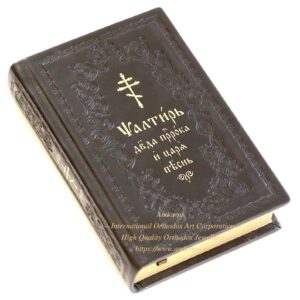


Use this form to find things you need on this site
