Andcross Orthodox online store offers a wide range of Orthodox products - gift sets, icons, icon cases, books, monastery candles, jewelry and much more. Some of the products of our own production, as well as from other suppliers - monasteries, temples, masters of the entire Orthodox world.
Andcross Orthodox Online Store - Established in 1999
A Psalter is not merely a book of sacred poetry kept on a shelf. It is the prayer book of the Church, carrying grief, repentance, thanksgiving, fear, hope, and praise into the presence of God. Choosing an Orthodox Psalter in English means choosing words that may become familiar companions in the morning, at night, during fasting seasons, and beside those who are sick or departed.
The Psalms have always stood at the heart of Orthodox worship. They are read and chanted throughout Vespers, Matins, the Divine Liturgy, memorial services, and the daily cycle of prayer. Monastics often read the entire Psalter each week, and more frequently during Great Lent. For the faithful at home, even one psalm prayed attentively can bring the mind back to God.
A Psalter differs from a general Bible edition because it is arranged for Orthodox liturgical and personal use. Many editions divide the 150 Psalms into twenty kathismata, or sections, following the traditional order used in church prayer. They may also include prayers before and after each kathisma, commemorations for the living and departed, and brief devotional instructions.
This arrangement matters. A reader is not expected to approach the Psalms as a collection of isolated quotations. The Psalter gives a rule of prayer shaped by the Church, where praise is joined to repentance and personal needs are carried together with the needs of the whole world.
One of the first choices is the translation itself. Orthodox Psalters in English are commonly translated from the Greek Septuagint, the Old Testament text received and used in the Orthodox Church. This can create noticeable differences from Psalms numbered in many modern English Bibles, which generally follow the Hebrew Masoretic numbering.
For example, the psalm of repentance most often known in Orthodox services as Psalm 50 may appear as Psalm 51 in a Bible using Hebrew numbering. This is not a contradiction, but a difference in textual tradition and numbering. A well-prepared Psalter usually explains its numbering clearly, which is especially helpful for converts, families reading together, and anyone following a parish service book.
Some English Psalters preserve a more traditional, solemn rhythm. Others use clearer contemporary American English while remaining faithful to the Septuagint. Neither approach is automatically better for every reader.
A more literal translation can connect the reader closely to liturgical phrasing heard in church. It may require patience at first, particularly with unfamiliar words or sentence order. A more accessible translation may support steady daily reading, especially for someone beginning an Orthodox prayer rule. The best choice is often the edition that allows you to pray with attention rather than rushing through unfamiliar language.
A Psalter may include headings, brief notes, prayers, or patristic reflections. These can be valuable when they clarify traditional use without turning every psalm into a personal commentary project. The Psalms speak directly to the heart, but they are also received within the worshiping life of the Church.
If an edition contains extra material, consider whether it helps you pray. Excessive notes can interrupt the flow of reading. On the other hand, a modest explanation of kathismata, Psalm numbering, or prayers for the departed may make a Psalter much easier to use faithfully.
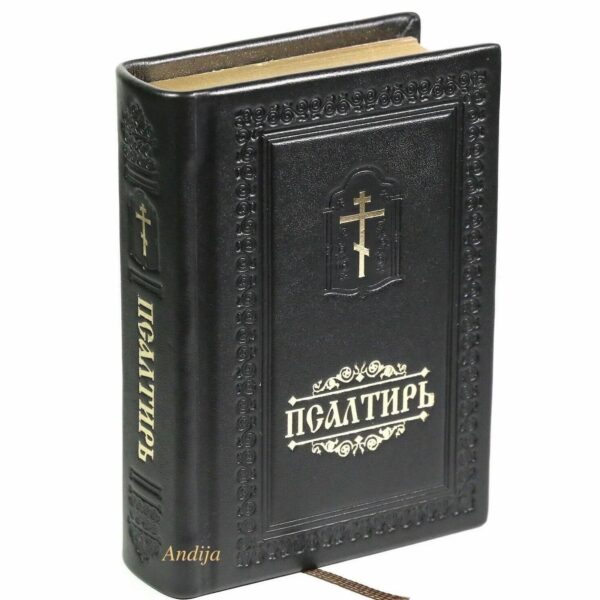
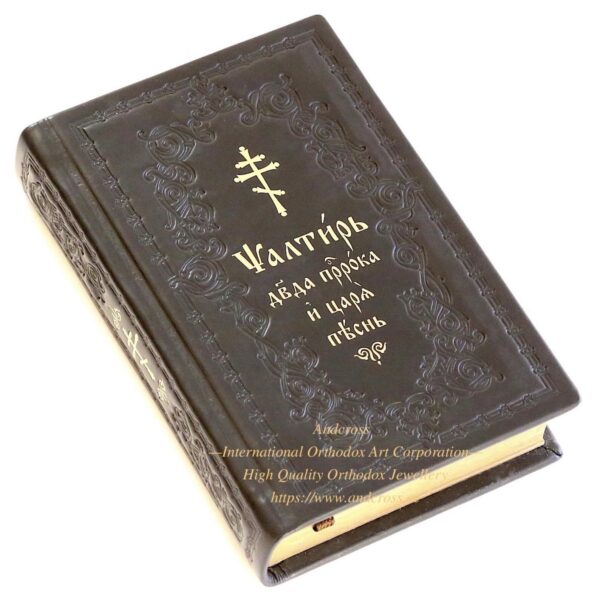
The physical book should serve prayer rather than distract from it. A small paperback may be easy to carry to work, on a journey, or to church. A larger hardcover edition may be more fitting for a home icon corner, family reading, or memorial prayer. There is room for both, depending on how and where the Psalter will be used.
Consider the type size carefully. The Psalter is meant to be opened often, sometimes in low light before an icon lamp or candle. Clear print, durable binding, and pages that lie open comfortably are practical details with spiritual value because they encourage regular use.
For a gift, a well-made Psalter carries particular meaning at a baptism, name day, feast day, or time of bereavement. A prayer book is not chosen only for its cover, yet a dignified binding and gift-ready presentation honor the sacred words within. When selecting for another person, consider whether they already follow a parish or jurisdictional preference for a particular translation.
A full kathisma can be substantial. For many laypeople, beginning with a small and consistent portion is wiser than taking on a demanding rule that quickly becomes difficult to keep. A priest or spiritual father can offer guidance suited to a person’s health, family responsibilities, and experience in prayer.
Some people begin with Psalm 50, Psalm 90, or a few psalms each day. Others read one stasis, or subsection of a kathisma, for a particular intention. During a period of illness, anxiety, travel, or grief, the Psalms give language to prayers that may otherwise feel difficult to express.
The Orthodox tradition often associates Psalter reading with intercession for those who are living and those who have fallen asleep in the Lord. In many homes, the names of loved ones are remembered quietly before or after the reading. This is not a mechanical practice or a way to force an outcome from God. It is an act of love, humility, and trust in His mercy.
When reading for someone in need, simplicity is enough. Light a candle if it is safe to do so, stand before the icons if possible, and ask God to remember the person by name. If standing is not possible, prayer may still be offered seated or from a sickbed. The Psalter belongs to real life, not only to ideal circumstances.
The goal is not to finish pages as quickly as possible. Some psalms are full of radiant praise; others contain strong words of lament, judgment, or struggle. These difficult passages should not be avoided, but neither should they be used to judge others. The Church teaches us to hear them first as a call to repentance, a cry against sin, and a plea for God’s righteous help.
If concentration fails, return gently to the text. If a verse remains in the heart, pause with it. A faithful prayer rule is built less by intensity than by returning, day after day, to the Lord.
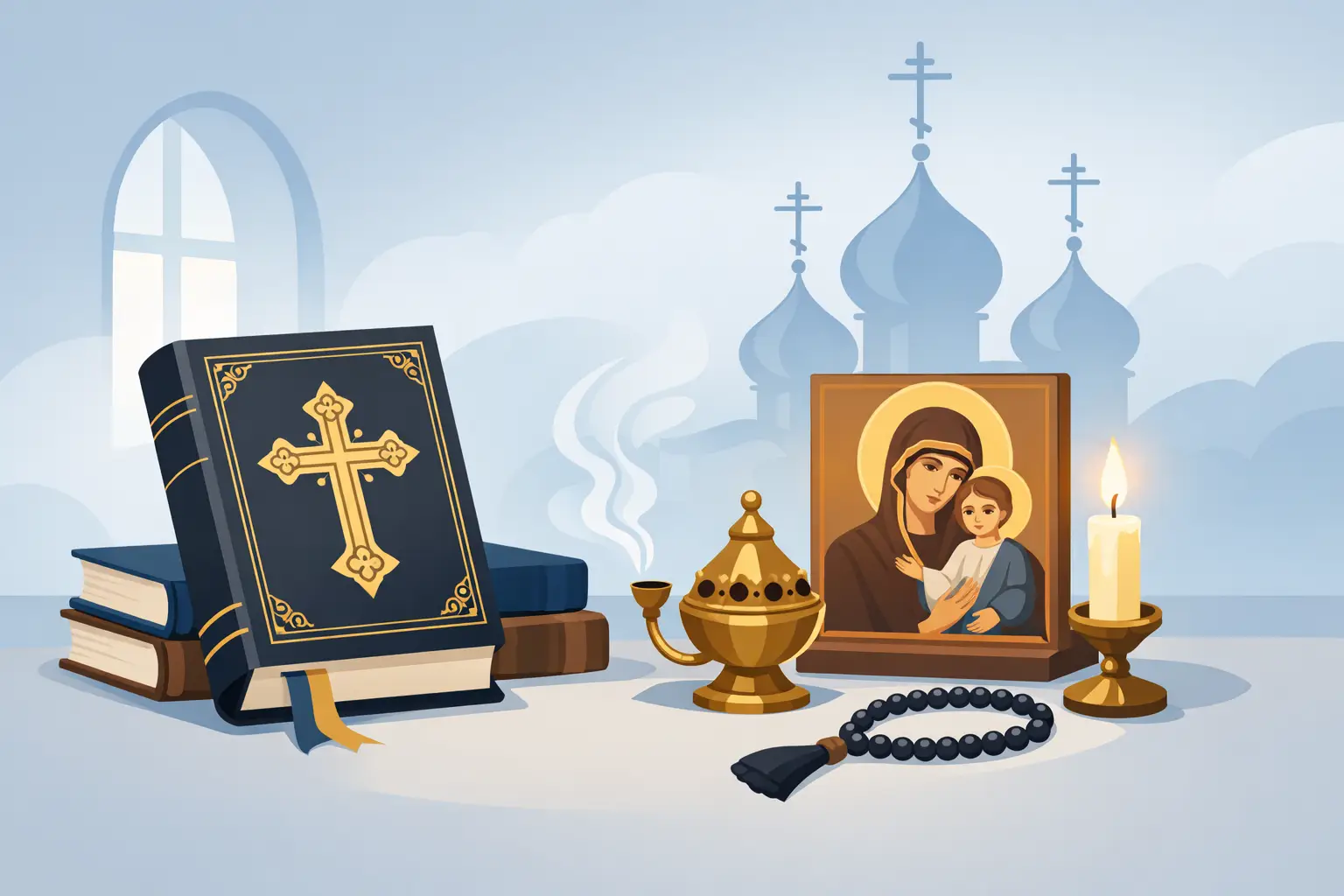
A proper Orthodox Psalter is especially meaningful when it stands near the icons, prayer rope, cross, Gospel book, and candle in a Christian home. Each object has its own purpose, yet together they help make the prayer corner a place of remembrance and reverence. The Psalter gives voice to that place.
At Andcross, devotional books and sacred articles are chosen with respect for Orthodox tradition and for the practical needs of faithful homes worldwide. Whether a Psalter is purchased for personal prayer or presented as a meaningful Christian gift, its greatest value begins when it is opened.
Set the book where you will see it. Read one psalm with attention. Let the words of David become your own offering of repentance and praise, and allow the steady prayer of the Church to accompany the life of your home.



Use this form to find things you need on this site