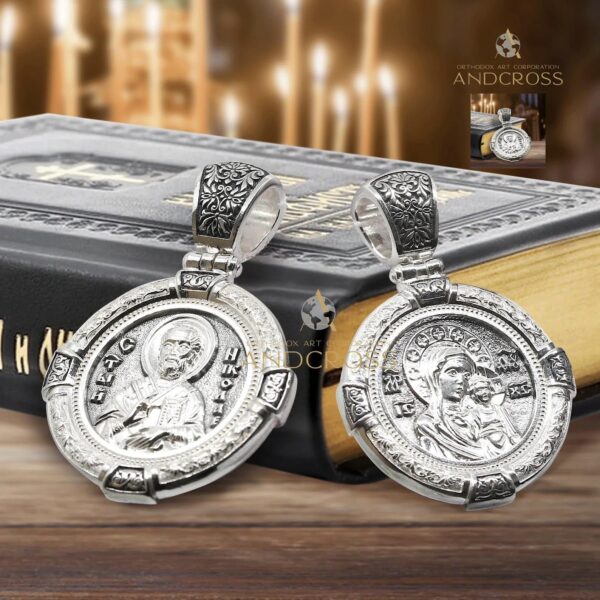
Andcross Orthodox online store offers a wide range of Orthodox products - gift sets, icons, icon cases, books, monastery candles, jewelry and much more. Some of the products of our own production, as well as from other suppliers - monasteries, temples, masters of the entire Orthodox world.
Andcross Orthodox Online Store - Established in 1999
A Christian may reach the end of a difficult day with no words of his own. Grief may be too fresh, temptation too familiar, or gratitude too deep for easy speech. Psalter prayers give the faithful words received by the Church: words of David, prayed by Christ, carried through monasteries and homes for centuries.
The Psalter is not merely a collection of beautiful religious poetry. It is the Church’s school of prayer. It teaches repentance without despair, praise without self-congratulation, and trust in God when the heart is unsettled. For Orthodox Christians establishing a prayer rule at home, the Psalter offers a faithful place to begin and a companion for a lifetime.
Psalter prayers are the prayers and psalms found in, or prayed alongside, the Book of Psalms. In Orthodox tradition, the Psalter contains 150 psalms, divided into twenty sections called kathismata. This division makes it possible to read the whole Psalter in an ordered cycle, whether in church, in a monastery, or quietly before the home icon corner.
The psalms speak with remarkable honesty. They contain praise, fear, confession, longing, sorrow, thanksgiving, and the cry for God’s mercy. A person does not need to force a particular mood before opening the Psalter. The psalms bring every human condition before the Lord and direct it toward Him.
For this reason, Orthodox Christians often turn to the Psalter during illness, uncertainty, mourning, travel, family difficulty, and seasons of repentance. They are also prayed in times of peace and joy. Prayer should not become only an emergency response. The regular reading of the Psalms forms the heart before hardship comes.
The Orthodox Church hears Christ throughout the Psalms. They speak prophetically of His suffering, kingship, resurrection, and victory over death. When the faithful pray, “The Lord said to my Lord,” or cry, “Out of the depths I have cried to Thee,” they do not pray as isolated readers. They pray with the saints, with the Church’s liturgical memory, and with generations who found refuge in the same sacred words.
The Psalter also corrects a common weakness in personal prayer: we can become limited to our own concerns. The psalms widen the soul. They teach us to pray for mercy, to remember the poor, to grieve over sin, to bless God for creation, and to intercede for those in distress.
Psalm 50, known in many Western editions as Psalm 51, is especially familiar in Orthodox worship: “Have mercy on me, O God, according to Thy great mercy.” Its words are not a performance of guilt. They are a return to the Father. Prayed attentively, this psalm helps repentance become humble confidence in God’s compassion.
A home prayer rule should be steady enough to keep, not so ambitious that it is abandoned after a few days. Some faithful read one psalm each morning or evening. Others read a kathisma over several days. A person with more time, or one keeping a blessing from a priest, may follow a fuller cycle.
There is no need to race through the text. The Psalter is read, not conquered. Begin with the usual opening prayers if they are part of your established rule, then read clearly and with attention. When the mind wanders, return without irritation. When a verse strikes the heart, pause briefly and let it become your own prayer.
Many Orthodox prayer books include prayers before and after reading the Psalter, along with the troparia and prayers appointed between kathismata. These are valuable because they place private reading within the Church’s pattern. Yet a simpler beginning can be appropriate for someone new to Orthodox practice. A priest or spiritual father can help determine what is suitable.
The Psalter is often read in remembrance of the departed and in prayer for the living. In many Orthodox homes, the reader quietly names loved ones before beginning or at the end of a kathisma: the baptized living who need mercy, healing, or guidance, and the departed for whom the Church prays for rest in the light of Christ.
This practice should remain reverent rather than mechanical. We do not treat psalms as a formula that compels an outcome. We bring names before God, whose mercy exceeds our understanding. If a parish or priest has given particular guidance for memorial prayer, that guidance should always come first.
If the Psalter has been absent from your prayer life, choose a modest and durable practice. Read Psalm 50 daily for a week, then add one psalm from the beginning of the book. Or read a few verses slowly each evening after the Trisagion prayers. Keep the Psalter near your prayer corner rather than on a shelf where it is easily forgotten.
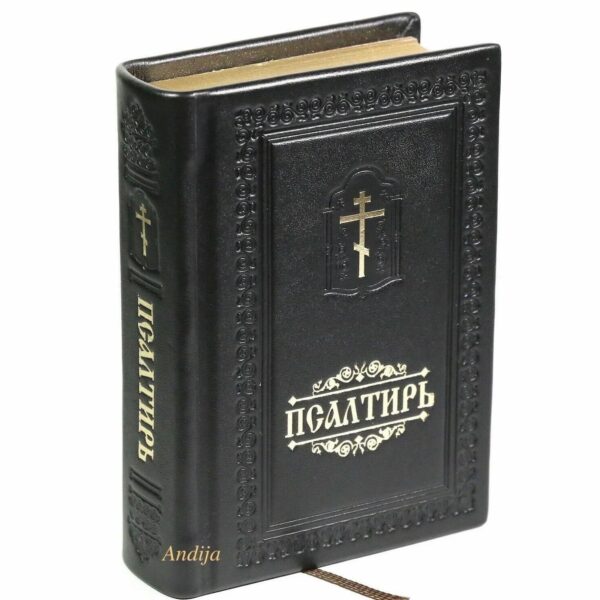
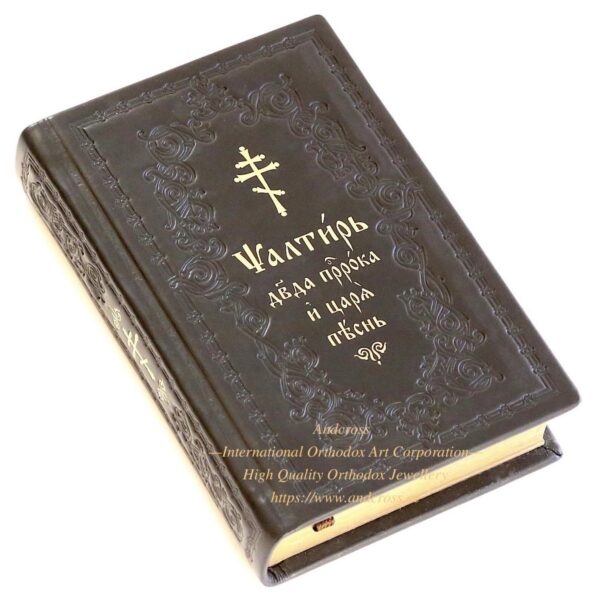
It helps to use a complete Orthodox edition with traditional numbering and the prayers appointed for use with the Psalter. The translation matters less than faithful, comprehensible reading, though many Orthodox Christians are drawn to a translation that preserves the liturgical language they hear in church. A well-made printed Psalter can also encourage consistency in a way that a phone screen rarely does, especially during the quiet hours before sleep.
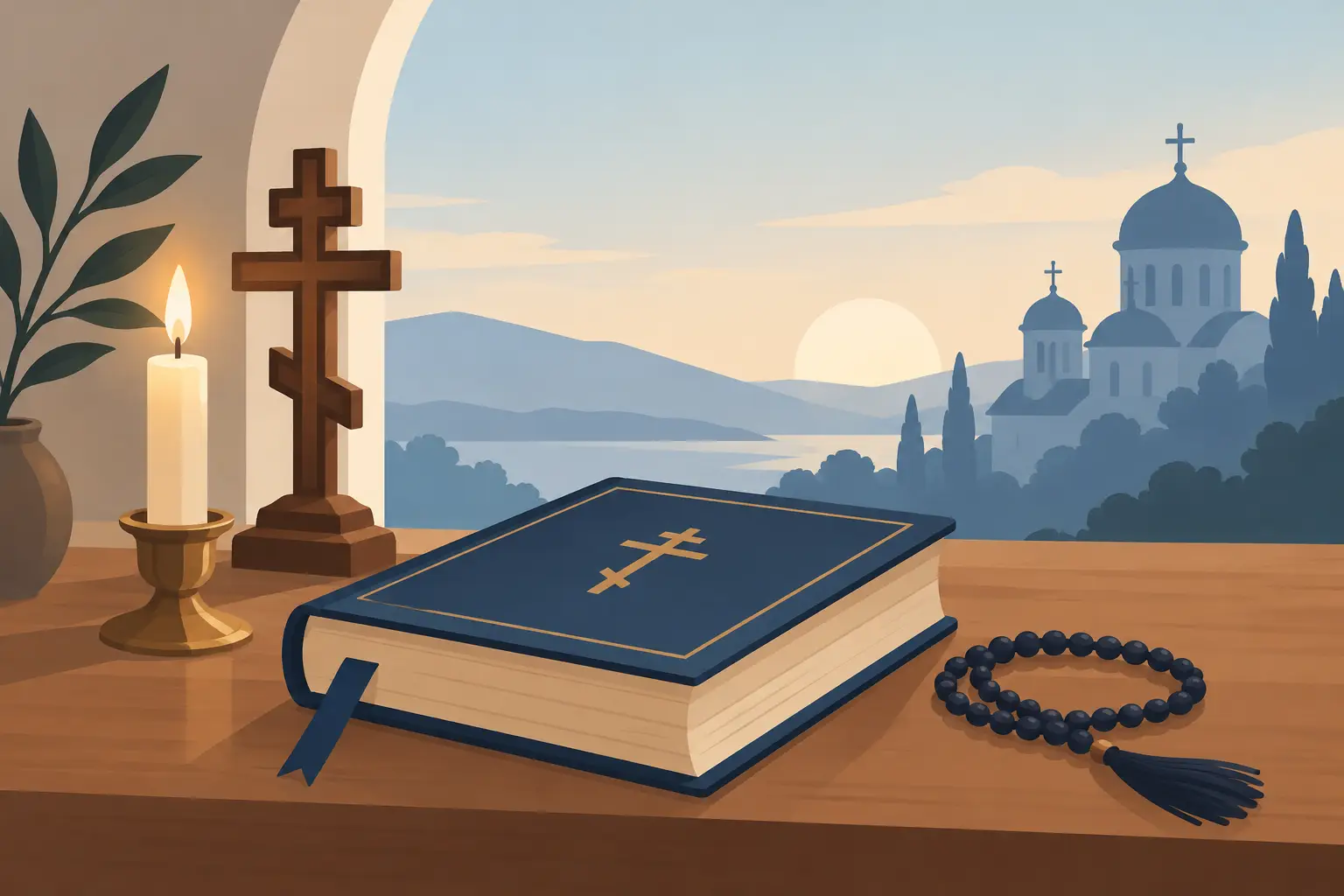
The Orthodox home is strengthened by simple, sacred habits. An icon of Christ or the Theotokos turns the heart toward the person being addressed. A prayer rope supports the repeated calling on the Name of Jesus. A candle, used carefully, marks a time set apart for God. The Psalter gives the believer the inspired language of praise and repentance.
These things are not decorations or spiritual accessories. Their purpose is prayer. A beautifully bound Psalter, like a carefully made cross or icon, deserves respect because it serves this holy work. But even the finest edition bears fruit only when opened with humility and read with perseverance.
For those preparing a prayer corner or choosing a meaningful Orthodox gift, a Psalter is especially fitting for a baptism, name day, memorial occasion, or the beginning of a loved one’s journey into the faith. At Andcross, devotional books and prayer articles are chosen with this same concern: that traditional sacred objects may serve real prayer in the home.
Not every psalm feels immediately gentle. Some speak of enemies, judgment, betrayal, and righteous anger. The Church does not hide these cries because human suffering is not hidden from God. In praying them, Christians learn to place anger before the Lord rather than feeding it through resentment or retaliation.
The enemies named in the Psalms may include visible troubles, but the Fathers also teach us to recognize the warfare within: pride, despair, lust, envy, bitterness, and every passion that separates the heart from God. This does not erase the reality of injustice. It protects the prayer from becoming a weapon against another person.
At times a reader may feel dry, distracted, or unsure of the meaning. Continue with patience. Understanding grows through repetition, worship, and the guidance of the Church. Reading the Psalter is not always emotionally moving. Faithfulness in a quiet season is still faithfulness.
The Psalter does not ask for eloquence. It asks for presence. Open it when the house is still, when a loved one is ill, when you are grateful, when you are burdened, and when you have nothing to say. Over time, its words begin to remain in the heart, returning when they are needed most.
Let one psalm, read with attention and offered to God, become the small faithful lamp that keeps prayer burning in your home.



Use this form to find things you need on this site