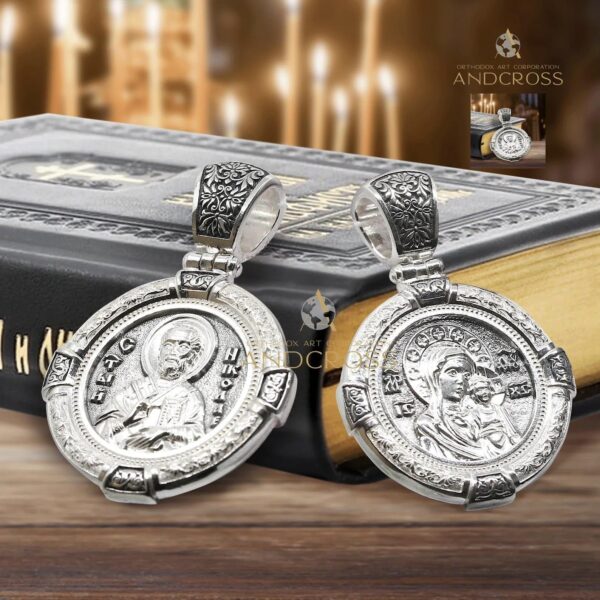
Andcross Orthodox online store offers a wide range of Orthodox products - gift sets, icons, icon cases, books, monastery candles, jewelry and much more. Some of the products of our own production, as well as from other suppliers - monasteries, temples, masters of the entire Orthodox world.
Andcross Orthodox Online Store - Established in 1999

A beeswax candle with the quiet fragrance of honey, a prayer rope made by monastic hands, an icon prepared according to the Church’s tradition – monastery products bring more than a pleasing appearance to an Orthodox home. They can remind us that prayer is not separate from daily life. The flame before an icon, the touch of a cross, and the words of a Psalter all help gather the mind and heart before God.
Yet the name alone should not decide a purchase. Orthodox Christians and thoughtful gift buyers often encounter terms such as monastery-made, monastery-sourced, handmade, blessed, and consecrated. Each has a distinct meaning. Choosing well begins with reverence, but it also calls for clear attention to origin, purpose, workmanship, and the needs of the person who will receive the item.
Monastic life is ordered around worship, repentance, work, and hospitality. When a monastery produces candles, prayer ropes, incense, icons, soaps, bread stamps, or small devotional articles, that work may support the community’s life and its ministries. It also carries the visual and practical simplicity often associated with Orthodox tradition.
This does not mean that an item has a mysterious quality simply because it comes from a monastery. Its true value is not a claim of spiritual status or a substitute for faith, confession, the Divine Liturgy, or personal prayer. A monastery-made object is meaningful because it can serve these realities with humility. It is made or offered within a setting shaped by the Church’s life, and it may help the faithful establish a more attentive prayer rule at home.
For this reason, provenance matters. A careful seller should describe whether an item was made in a monastery workshop, supplied by a monastery or temple, or created by an Orthodox artisan using traditional methods. Those distinctions honor both the maker and the buyer.
These words are sometimes used loosely, but they should be understood carefully. An icon may be blessed by a priest, while certain sacred objects intended for liturgical use may be consecrated according to the Church’s order. A cross, candle, or prayer rope can be monastery-made without being individually blessed. Conversely, an item made outside a monastery may be blessed.
If blessing or consecration is important for your intended use, ask plainly and rely on the description provided. Avoid treating devotional goods as charms. The Cross is honored because it points to Christ’s saving sacrifice; an icon is venerated because it directs us to the holy person or sacred event depicted. The material object serves prayer. It does not control grace.
An icon corner does not need to be elaborate. A well-chosen icon of Christ, the Most Holy Theotokos, a patron saint, or a feast can form a faithful center for family prayer. A small candleholder, beeswax candles, and a prayer book may be all that is needed.
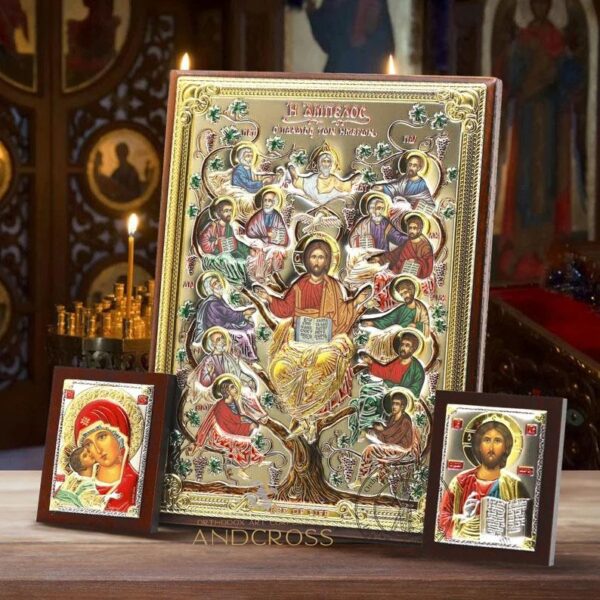
Begin with what your household will genuinely use. For daily prayer, a durable icon in a suitable size and a supply of clean-burning candles are often wiser than many small objects with no clear place. If space is limited, a compact diptych or triptych may be more practical than several separate icons. If the icon will be given for a baptism, wedding, or house blessing, choose an image connected to that occasion or to the recipient’s heavenly patron.
Materials deserve attention as well. Silver and gold-plated icon settings offer a solemn, gift-worthy presentation and can protect a printed or painted image. Wood provides warmth and a traditional appearance. A carefully made metal cross may be worn daily, while a larger wall cross may be better suited to an icon corner. The right choice depends on use, not only appearance.
Beeswax monastery candles are valued for their natural composition, gentle scent, and traditional use in Orthodox prayer. Their size should fit the candleholder securely. Never leave a candle burning unattended, especially near curtains, paper icons, or wooden shelves. A simple metal or glass holder with a stable base is an act of care, not merely decoration.
Incense can deepen the sense of prayer, but it is not necessary for every home or every prayer rule. Consider ventilation, sensitivities in the household, and the need for a proper censer and charcoal. Where incense is impractical, a candle and a quiet reading of the Psalms may be more fitting. Devotional life grows through constancy, not through creating an impressive display.
Monastery products are especially fitting for occasions when an ordinary gift would feel inadequate: baptisms, name days, weddings, feast days, memorials, and the first steps of a convert entering the Church. The best gift is specific to the person rather than generally religious.
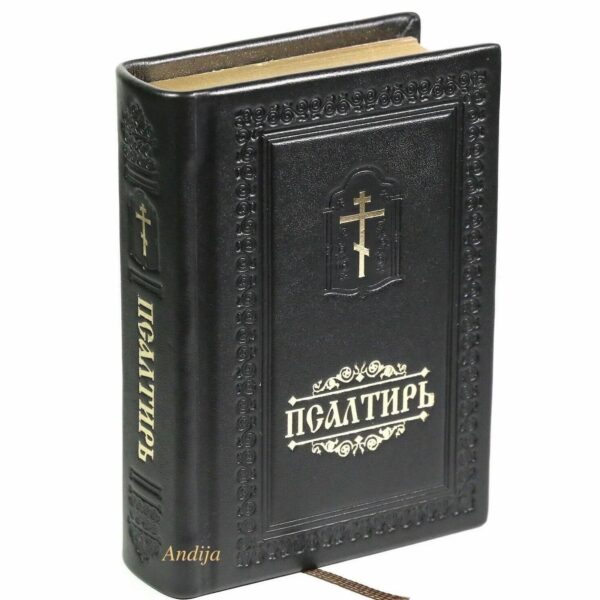
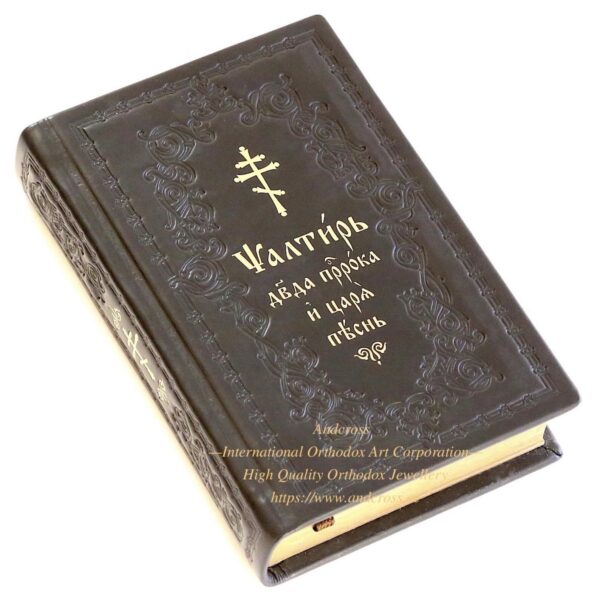
For a baptism or chrismation, a baptismal cross, guardian angel icon, patron saint icon, or small prayer set can become part of a lifelong Orthodox identity. For a wedding, an icon set of Christ and the Theotokos is a traditional and substantial choice. For someone mourning a loved one, a Psalter, memorial cross, or icon of the Resurrection may offer a gentle invitation to prayer without demanding words the heart cannot yet say.
When purchasing for a person whose Orthodox background differs from your own, stay close to universally honored images and clearly identified saints. Russian, Greek, Serbian, Romanian, and other Orthodox traditions share the same faith while expressing craftsmanship and iconographic detail in distinctive ways. If you are uncertain, a patron saint icon or a refined cross is usually more personal than a novelty item.
Gift presentation matters, particularly for silver icons, crosses, and jewelry. A fitted case protects the piece and makes the offering suitable for a major occasion. Still, the most important detail is accuracy: the saint’s name, the image, the material, dimensions, and whether a chain is included should be clear before ordering.
Online photographs can show beauty, but they cannot answer every practical question. Read the full description with the same care you would bring to selecting an icon in person. Look for the dimensions in inches or centimeters, the base material, metal purity where relevant, plating details, and whether the image is printed, mounted, or hand-painted.
For wearable crosses and pendants, check the bail size, chain compatibility, weight, and finish. Sterling silver, gold plating, and solid gold each have different costs and care requirements. Gold plating can provide a beautiful appearance at a more accessible price, while solid gold may be appropriate for a lasting family gift. Neither choice is spiritually superior; durability, budget, and intended use should guide the decision.
Authentic traditional craftsmanship also has limits. Handmade work may show slight variations in tone, wood grain, repoussé detail, or finish. Such variation is not necessarily a flaw. But an item should still be well constructed, accurately described, securely packaged, and suitable for its stated purpose. For a meaningful commission, such as a custom cross in silver, platinum, or a chosen gold color, allow adequate time for careful production.
Sacred objects deserve respectful handling without anxiety. Keep icons away from excessive moisture, direct sunlight, and heat sources. Dust them gently with a soft, dry cloth unless the maker gives different instructions. Avoid harsh cleaners on plated metal, painted surfaces, and wood.
Store prayer ropes, crosses, and small icons in a clean place when not in use. If an icon or cross becomes damaged beyond repair, ask your priest for guidance rather than discarding it carelessly. The same principle applies to blessed items and worn religious books: treat them with reverence, while remembering that Christian devotion is expressed first through a life turned toward God and neighbor.
A well-chosen devotional object should make prayer easier to begin, not harder to perform. Whether you select a humble beeswax candle, a monastery prayer rope, or a finely crafted icon for a family milestone, place it where it will call you back to a simple and faithful response: make the sign of the Cross, stand quietly, and pray.



Use this form to find things you need on this site