Andcross Orthodox online store offers a wide range of Orthodox products - gift sets, icons, icon cases, books, monastery candles, jewelry and much more. Some of the products of our own production, as well as from other suppliers - monasteries, temples, masters of the entire Orthodox world.
Andcross Orthodox Online Store - Established in 1999

An Akathist is not meant to be rushed through as a religious obligation or read merely for a desired outcome. These hymns teach the heart to stand before Christ, the Mother of God, or a saint with praise, repentance, gratitude, and hope. Learning how to read akathist prayers begins with this disposition: prayer is a meeting with God, not simply a text to complete.
Whether you are beginning an Orthodox prayer rule, praying before an icon in your home, or asking a saint’s intercession in a time of need, an Akathist can become a deeply steady companion. It also asks something of the reader: attention, humility, and the willingness to let the Church’s words form one’s own prayer.
The word akathist means “not sitting.” Traditionally, the faithful stand while it is read or sung, especially in church. The best-known example is the Akathist Hymn to the Most Holy Theotokos, appointed during Great Lent in the Orthodox Church. Many other Akathists have been composed in honor of Christ, the Theotokos, the Holy Cross, guardian angels, and beloved saints.
An Akathist is a service of praise. It commonly contains a series of kontakia and ikoi. The kontakia are shorter hymns, while the ikoi are longer and often include repeated salutations, such as “Rejoice,” addressed to the Lord, His Mother, or the saint being honored. These repeated praises are not empty repetition. They draw the mind away from scattered thoughts and toward the gifts of God revealed in the person or mystery being praised.
Many Akathists contain thirteen kontakia and twelve ikoi. In a common arrangement, the thirteenth kontakion is read three times, followed again by the first ikos and first kontakion. Prayer books can differ, however, and some editions include additional opening and closing prayers. Follow the order printed in your prayer book and, when possible, the guidance of your parish priest.
Begin simply. Choose a clean, quiet place before your icon corner or a reverently placed icon. Light a beeswax candle or lampada if this is already part of your home prayer practice. Make the sign of the Cross and stand for the opening prayers.
Most Akathist books begin with the usual opening prayers: “Through the prayers of our holy fathers,” the Trisagion prayers, the Lord’s Prayer, and other familiar invocations. If your book provides these prayers, read them as given. If it begins directly with the kontakion, do not become anxious that something is missing. Editions vary according to custom and intended use.
Read aloud when you can. A quiet voice helps prevent the mind from drifting and gives the words their proper weight. There is no need to perform the text dramatically. Read calmly, distinctly, and without forcing an emotional response. If you are praying with family members, one person may lead while the others join the repeated refrains.
Tradition calls for standing during an Akathist. Yet prayer is not a test of physical strength. Those who are elderly, ill, pregnant, caring for a child, or otherwise unable to stand may sit without guilt. A person who stands with resentment gains little; a person who sits due to necessity can pray with full reverence. Make bows and the sign of the Cross according to your strength and the practice you have received.
The language of Akathists is rich with Scripture, theological titles, and images from the lives of the saints. A hurried pace can make even beautiful words feel distant. Allow a brief pause after each kontakion or ikos. When a phrase strikes the heart, remain with it for a moment rather than pressing onward.
At the same time, do not turn every reading into a study session. If you stop to investigate every unfamiliar image, the prayer may lose its inner movement. It is better to finish the Akathist attentively, then return later to a phrase you wish to understand. Over time, the language becomes familiar and begins to live in the memory.
Before beginning, name your intention briefly before God. You may pray for healing, protection during travel, help in grief, a loved one’s repentance, or thanksgiving for mercy received. Ask the saint to intercede, but direct your trust toward God Himself.
Avoid treating an Akathist as a spiritual transaction: “If I read this for forty days, I must receive exactly what I ask.” Orthodox prayer does not compel God. Sometimes the answer is a changed circumstance; sometimes it is patience, clarity, repentance, or strength to carry a cross faithfully. The saint’s intercession leads us toward God’s will, not toward control over the future.
It is natural to choose an Akathist connected to a particular need. The Akathist to the Sweetest Lord Jesus Christ calls the heart back to the Savior. An Akathist to the Theotokos is often read in sorrow, thanksgiving, and times of family concern. Akathists to St. Nicholas, St. Panteleimon, St. Xenia of Petersburg, St. Nektarios, guardian angels, and many other saints are cherished by Orthodox Christians throughout the world.
Still, the best choice is not always the most specific title. If you are new to this prayer, begin with an Akathist to Christ, the Theotokos, or your patron saint. A lasting relationship of prayer is more valuable than moving quickly from one text to another whenever a new concern arises.
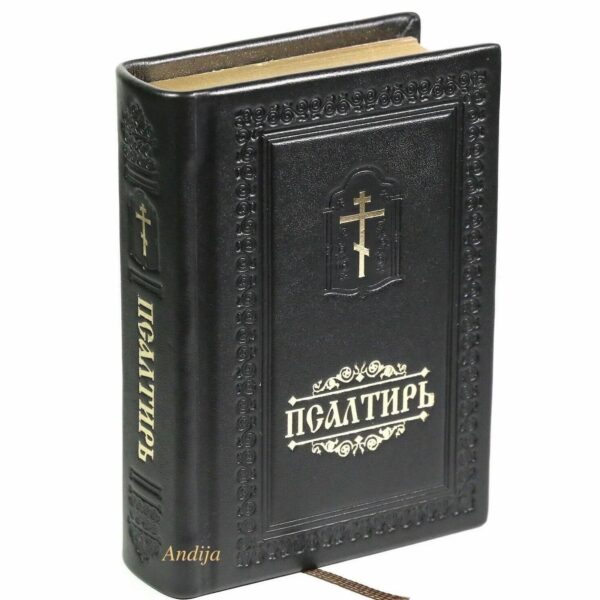
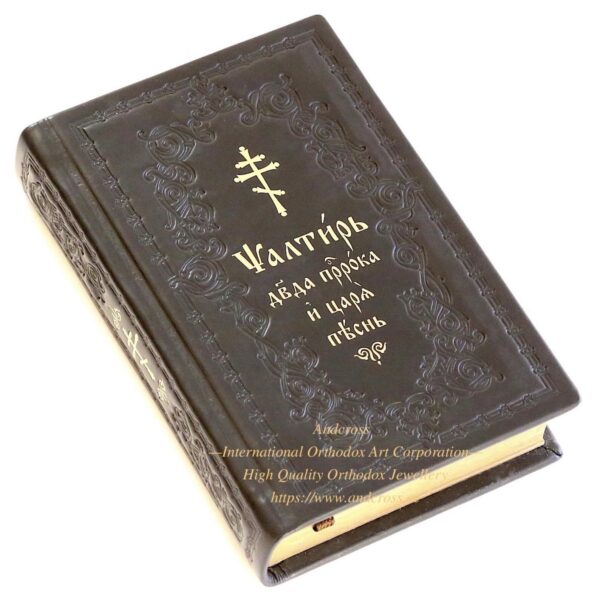
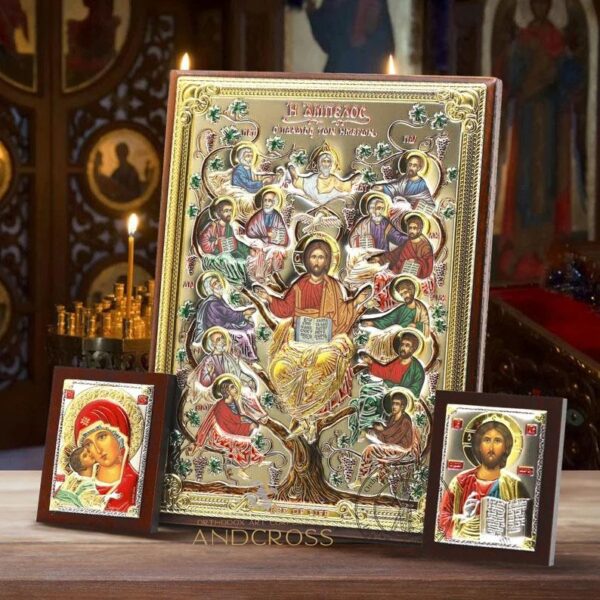
Use a complete, carefully printed Orthodox text. The icon before which you pray should correspond to the person or feast honored, when possible, but an icon is not a requirement for God to hear prayer. In a home icon corner, a canonical icon, prayer book, and simple candle can help create an ordered place of devotion without making prayer dependent on outward objects.
This depends on your prayer rule, your responsibilities, and your priest’s blessing. Some people read a short Akathist daily for a season. Others read one each week, on a saint’s feast day, during illness, or as part of a forty-day prayer intention. There is no single private rule that fits every Orthodox Christian.
Daily reading can be fruitful when it supports regular morning and evening prayers rather than replacing them. But taking on too much too soon can lead to fatigue and discouragement. A mother with young children, a person working long shifts, and someone living near a parish with frequent services may need very different rules.
If you have a spiritual father or parish priest, ask for his direction, especially when you plan a prolonged rule of prayer. This is not a restriction of personal devotion. It is protection from pride, anxiety, and burdens that are not yours to carry alone. Obedience gives even a small prayer rule peace.
Distraction is ordinary. When thoughts wander, do not argue with them or become discouraged. Gently return to the next line. If your mind is exhausted, read less with attention rather than more with agitation. Faithfulness is measured by a repentant heart, not by an impressive quantity of prayers.
Another difficulty is unfamiliar wording. Many Akathists preserve a poetic and traditional style because they are hymns of the Church, not casual speech. Read slowly. A reliable prayer book may include notes, but the deepest understanding also comes through repetition, parish worship, the lives of the saints, and Scripture.
Finally, do not confuse private Akathist reading with a full church service. An Akathist may be served in church by clergy and chanters according to liturgical practice, while a layperson’s home reading is simpler. Do not attempt to add priestly exclamations, liturgical blessings, or services that belong to ordained clergy. Read the prayers appointed for the faithful with humility.
When you finish, thank God in your own quiet words. Pray for the people whose names you carry, make the sign of the Cross, and return to your duties with greater patience. The true fruit of an Akathist is not only a moving moment before an icon, but a heart that learns to offer praise, mercy, and steadfast faith throughout the day.



Use this form to find things you need on this site