Andcross Orthodox online store offers a wide range of Orthodox products - gift sets, icons, icon cases, books, monastery candles, jewelry and much more. Some of the products of our own production, as well as from other suppliers - monasteries, temples, masters of the entire Orthodox world.
Andcross Orthodox Online Store - Established in 1999

A prayer book open before an icon corner can become either a source of peace or a source of quiet pressure. The question of a Psalter versus prayer rule is not about choosing the more spiritual book. It is about receiving the Church’s prayers in a way that is faithful, humble, and possible to keep over time.
For Orthodox Christians, especially those beginning to build a home prayer life, both the Psalter and a daily prayer rule have an honored place. Each teaches the heart to turn toward God. Yet they serve somewhat different purposes, and neither should become a private burden taken on without discernment.
The Psalter is the Book of Psalms, traditionally divided into twenty kathismata for liturgical and devotional reading. Its words give voice to the whole range of human life before God: repentance, grief, thanksgiving, fear, hope, praise, and trust. The Psalms are not polished statements of religious feeling. They are prayer forged in struggle.
A prayer rule is a regular order of prayers kept by an Orthodox Christian at home. It commonly includes morning and evening prayers, the Trisagion prayers, the Creed, the Jesus Prayer, prayers before and after meals, and prayers for the living and departed. A rule may be drawn from a prayer book, given by a priest, or adapted with a priest’s blessing according to a person’s duties, health, and spiritual condition.
The distinction matters. A prayer rule gives shape and constancy to daily prayer. Reading the Psalter immerses a person in the inspired prayer of Israel, fulfilled and continually prayed in the life of the Church. One is not a replacement for the other in every circumstance.
A person might faithfully keep brief morning and evening prayers each day while reading one kathisma from the Psalter several times a week. Another, under pastoral guidance, may have a rule centered on the Jesus Prayer because work, children, illness, or travel make longer readings unrealistic. The right practice is not necessarily the longest one.
The Psalter stands at the heart of Orthodox worship. Psalms fill Vespers, Matins, the Divine Liturgy, funeral services, memorial prayers, and the daily cycle of the Church. To read them at home is to bring the language of the Church into one’s own household.
Their strength is also their difficulty. The Psalms do not permit shallow prayer. One moment they speak of enemies, distress, and tears; the next, of God’s mercy and the beauty of His sanctuary. Some passages may feel distant at first. With patient reading, they begin to reveal the depth of the human heart and God’s steadfast care for it.
Many Orthodox Christians read the Psalter for a particular intention, especially for the departed, for the sick, in times of sorrow, or during fasting seasons. This is a venerable practice. Still, the Psalter should not be treated as a spiritual formula that guarantees a desired outcome. It is prayer offered to God with faith, repentance, and submission to His will.
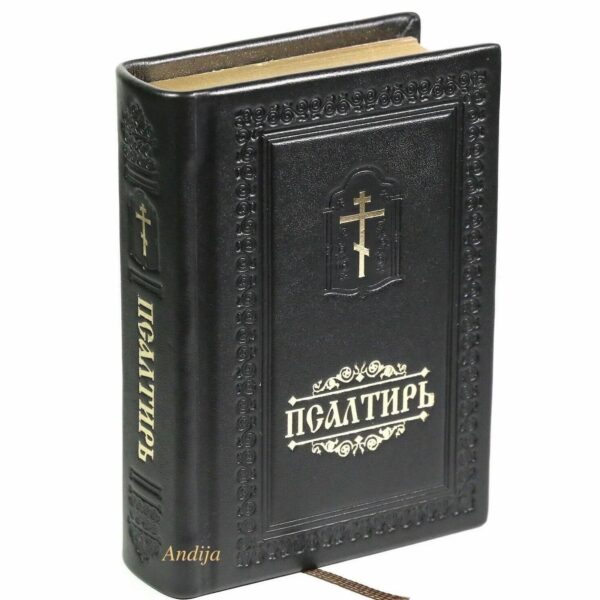
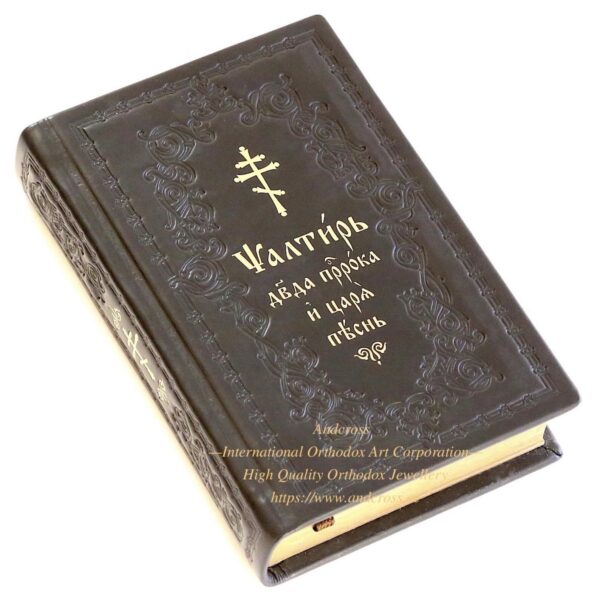
A well-made Psalter can support this reverence. Clear type, durable binding, and a format that can remain respectfully in the icon corner make regular reading easier. Some editions include prayers before and after reading the Psalter, the division into kathismata, and commemorations for the living and departed. These practical features are useful, but the essential thing is prayerful attention.
Reading an entire kathisma can take time, particularly for someone unfamiliar with the text. That is not a failure. The Psalms should not be rushed merely to complete a set amount. If a person’s circumstances allow only a psalm or two, read with attention and continue another time.
There are seasons when a fuller Psalter reading is fitting, and seasons when it is not. Parents caring for small children, those facing exhaustion or illness, and people with demanding work may need a simpler discipline. The Church does not call us to neglect the duties God has placed before us in order to pursue an outwardly impressive rule.
A prayer rule establishes a sacred beginning and end to the day. Morning prayers teach us to receive the day as a gift from God, asking for protection from sin and strength to do what is right. Evening prayers call us to examine the day with repentance, gratitude, and trust in God’s mercy before sleep.
This regularity is especially precious when prayer feels dry. Feelings change quickly. A rule allows a Christian to remain before God even when the heart seems distracted or cold. In that sense, a modest rule faithfully kept is often more fruitful than an ambitious practice abandoned after a week.
The rule also teaches balance. The prayers of the Church lead us beyond our own concerns. We glorify the Holy Trinity, honor the Mother of God and the saints, ask forgiveness, pray for others, and remember death and the life to come. A person who only prays spontaneously may speak sincerely, but can gradually make prayer revolve around personal needs alone.
At the same time, a prayer rule is not a task to perform anxiously. If words are read while the mind races, do not despair. Gently return to the words. Make the sign of the Cross with attention. Stand, sit, or make prostrations as health permits. Faithfulness grows through repentance, not self-condemnation.
Orthodox spiritual life is not built on self-direction. A priest or spiritual father can help determine what is suitable: perhaps the basic morning and evening prayers, a number of Jesus Prayers, a Gospel reading, or a portion of the Psalter. This counsel is particularly valuable for converts and for those returning to the Church after a long absence.
It is wise to ask for guidance before adding demanding practices, many prostrations, lengthy canons, or a schedule for reading the entire Psalter. What helps one person may tempt another toward pride, discouragement, or neglect of family responsibilities. Obedience and peace are safer than spiritual ambition.
For many laypeople, the most natural approach is not Psalter or prayer rule, but Psalter within a stable prayer life. Keep the prayers your priest has given you as the foundation. Add Psalms in a measured way that can be sustained.
A simple arrangement may be to read morning or evening prayers daily and then add one psalm, one section of a kathisma, or a kathisma on selected days. Some read Psalms after the usual evening prayers; others read them separately at a quieter hour. What matters is consistency without rigidity.
If you are praying for someone who is ill or reposed, mention their name in the prayers appointed by your prayer book or according to the custom given by your priest. Do not turn personal commemoration into an anxious tally of pages read. Love, remembrance, and trust in God are greater than quantity.
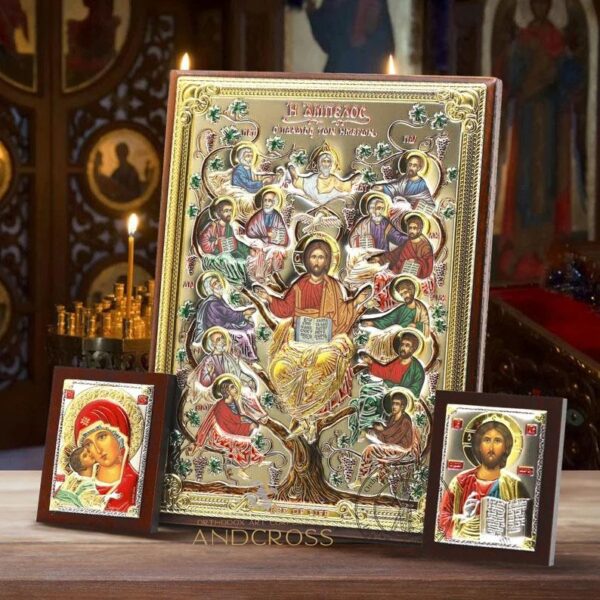
A dedicated place for prayer helps this practice take root. An icon of Christ and His Most Pure Mother, a cross, a candle or lamp used safely, a prayer book, and a Psalter can make even a small corner of the home a place of recollection. Sacred objects do not replace inward prayer, but they help the body and mind enter it with reverence.
When deciding between more Psalter reading and a fuller prayer rule, begin with the duty already in front of you. Can you keep your current prayers peacefully for several weeks? Are you praying with enough attention to understand at least some of what you say? Have you asked your priest for a blessing before increasing your rule?
If the answer is no, begin smaller. If the answer is yes, a measured addition from the Psalter may deepen your prayer. There is no shame in a short rule offered sincerely. The goal is not to finish more pages than someone else, but to become more repentant, more merciful, and more attentive to Christ.
Keep your Psalter and prayer book where they can be reached without fuss. Return to them after missed days without excuses or harshness. A quiet prayer spoken with humility at the icon corner may be the beginning of a lifelong rule, and the Psalms will continue to teach the heart how to pray.



Use this form to find things you need on this site