Andcross Orthodox online store offers a wide range of Orthodox products - gift sets, icons, icon cases, books, monastery candles, jewelry and much more. Some of the products of our own production, as well as from other suppliers - monasteries, temples, masters of the entire Orthodox world.
Andcross Orthodox Online Store - Established in 1999
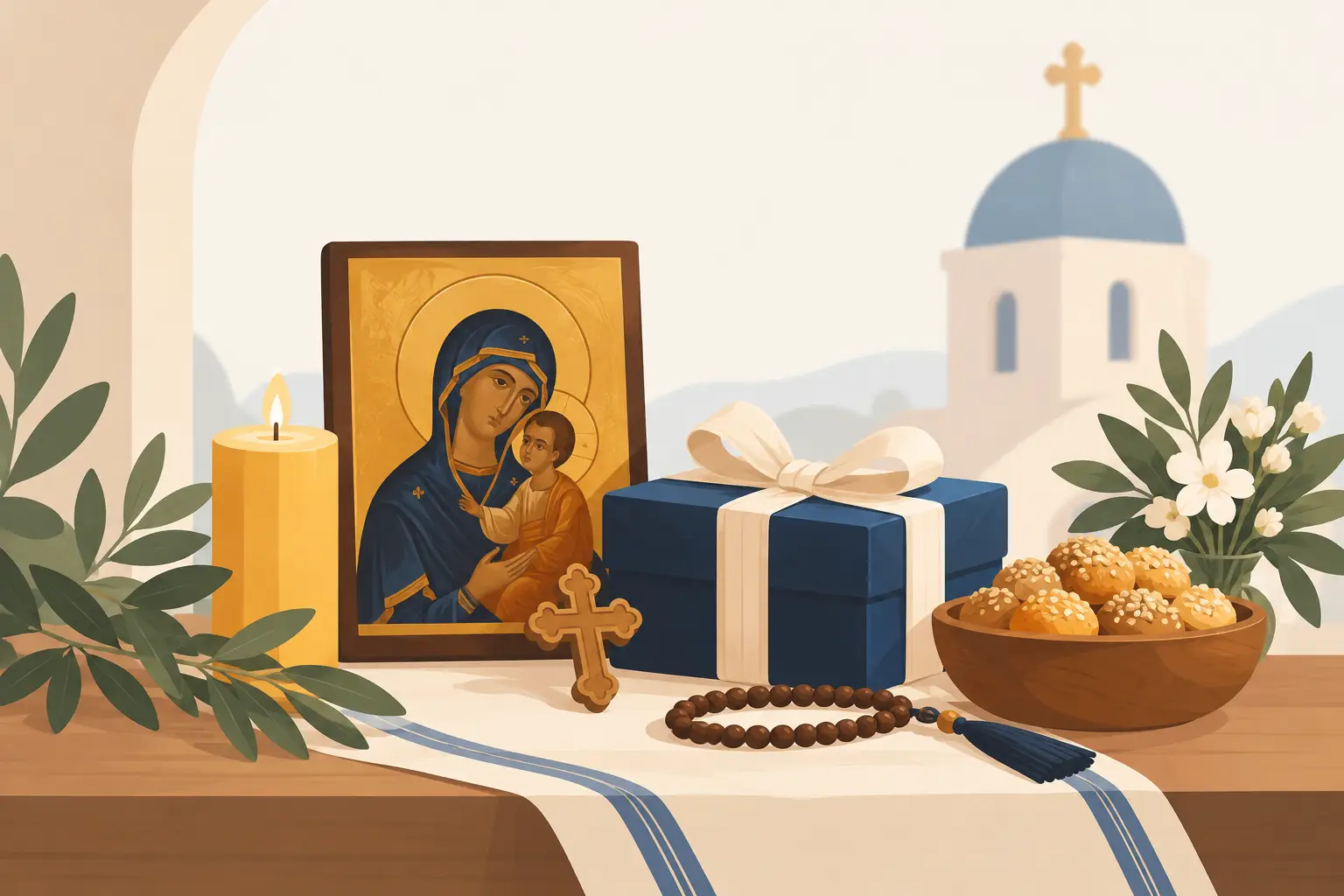
A feast day gift should do more than mark a date on the calendar. It can bring the recipient closer to prayer, recall the intercession of a beloved saint, or take its place with reverence in the family icon corner. This Orthodox feast day gift guide is for those who want to give something beautiful without separating beauty from the sacred meaning it is meant to serve.
In Orthodox life, the greatest gift of a feast is the Divine Liturgy, confession when appropriate, prayer, fasting or festal meals according to the Church calendar, and time shared in faith. A devotional gift is not a replacement for these things. Given with care, however, it becomes a lasting remembrance of Christ, the Theotokos, the saints, and the feast itself.
The right gift depends first on whose feast is being observed. For a nameday, an icon of the recipient’s patron saint is often the most personal choice. For a family celebrating Pascha, Nativity, Theophany, or the patronal feast of a parish, a gift connected directly with that holy day may be more fitting.
Consider where the person is in his or her Orthodox life as well. Someone establishing a first prayer corner may cherish a carefully made icon, a candleholder, or a prayer book more than a decorative object. A longtime church member may value a finely crafted cross, a silver icon, or an edition of the Psalter that can be used for years. For a child, godchild, or newly baptized Christian, the gift should be durable, understandable, and suited to the guidance of parents or godparents.
It also helps to know the recipient’s tradition. Russian, Greek, Serbian, Romanian, Antiochian, and other Orthodox communities share the same faith while sometimes preferring different iconographic details, inscriptions, languages, or cross forms. When uncertain, a traditional icon of Christ, the Theotokos, a guardian angel, or the recipient’s patron saint is a sound and reverent choice.
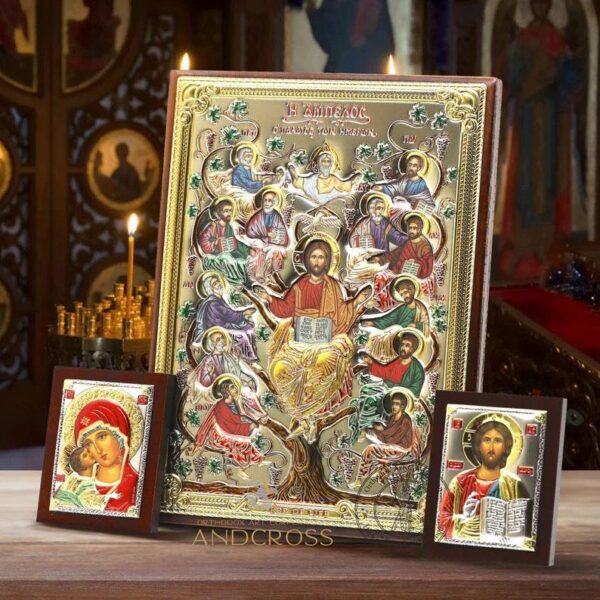
An icon is among the most meaningful feast day gifts because it remains before the faithful long after the celebration has passed. It invites prayer and bears witness to the Incarnation: the Word truly became flesh, and therefore may be depicted according to the tradition received by the Church.
Choose an icon of the saint whose name the recipient bears. Look closely at the saint’s title, since several saints may share the same name. For example, a gift for someone named Nicholas should identify whether the icon is Saint Nicholas the Wonderworker or another Saint Nicholas. The same care is needed for Mary, John, George, Catherine, and many other common Christian names.
A small travel icon or gift-boxed icon suits a godchild, student, or person who travels frequently. A larger silver or gold-plated icon can be appropriate for a milestone nameday, wedding anniversary, or a family home. Materials matter, but canonical imagery and careful workmanship matter first.
Icons of the Nativity of Christ, Theophany, the Meeting of the Lord, the Annunciation, Palm Sunday, the Transfiguration, the Dormition of the Theotokos, and Pascha can become cherished annual reminders of the Church year. Such an icon is especially fitting for a household that keeps the feasts intentionally and wishes to place the image near its prayer corner during the season.
For Pascha, an icon of the Resurrection or the Descent into Hades expresses the triumph of Christ over death. For the Nativity fast and Christmas season, the icon of the Nativity offers a more enduring gift than something merely seasonal. The object should lead the eye and heart toward the holy event, not simply match a table setting.
A pectoral cross is a profoundly personal gift. It is commonly given at baptism and may also be offered for a nameday, graduation, birthday near a feast, or return to active church life. Gold, silver, and carefully finished metal crosses each have their place. The best choice depends on how the cross will be worn, the recipient’s age, and the family’s custom.
For everyday wear, consider a comfortable size, secure bail, and a design with clear Orthodox symbolism. A small silver cross may serve a child or teenager well, while an adult may prefer a more detailed Russian Orthodox cross or a handmade piece in silver, gold, platinum, or a selected gold color. If giving a cross to a child, consult the parents about size and chain length.
Rings, pendants, and saint medals can also be suitable, particularly when the recipient already wears a baptismal cross. These should remain devotional in character. Fine metalwork and a gift case make the offering worthy of a significant feast, but the sacred image should never be treated as a passing fashion accessory.
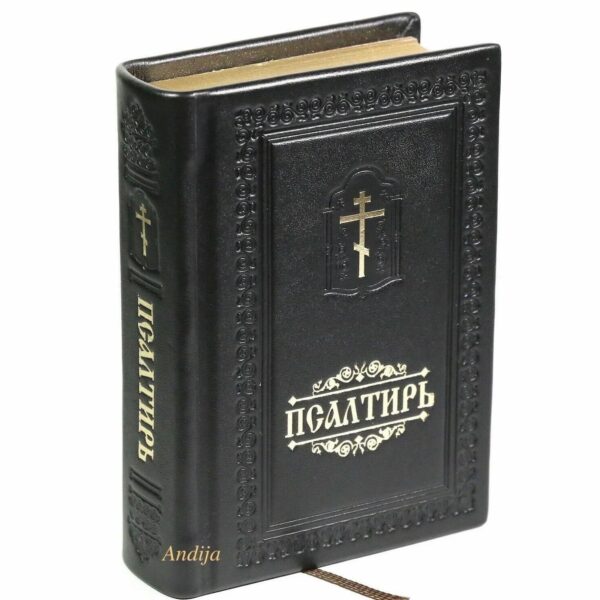
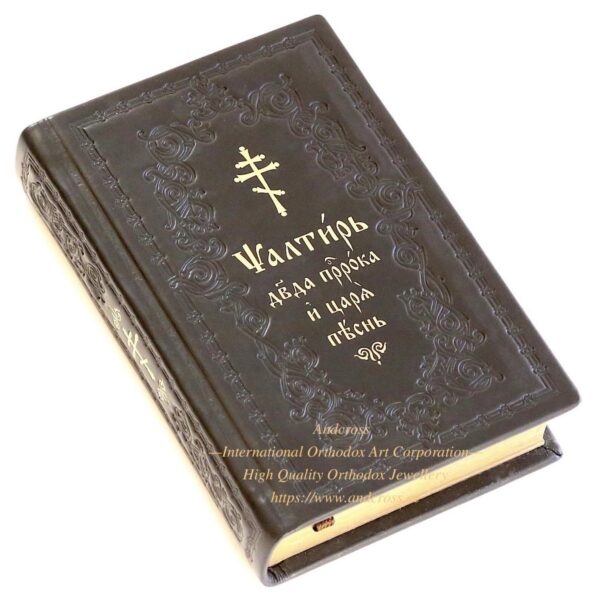
Some of the most useful gifts are made of pages rather than precious metal. A prayer book may become part of morning and evening prayer. A Psalter can accompany a person through sorrow, thanksgiving, illness, and the remembrance of the departed. A Gospel book, when chosen in a readable format, encourages regular attention to the words of Christ.
This is a particularly good direction for converts, young adults, and households building a rule of prayer. Still, it depends on language and familiarity. A richly produced Church Slavonic book may be precious to a reader who uses it, yet an English prayer book will usually serve an English-speaking recipient more directly. Before purchasing, check whether the person already follows a parish-approved edition or has a spiritual father’s guidance about prayer materials.
Beeswax monastery candles make quiet, appropriate gifts for many feast days. Their warm light is especially welcome in a home prayer corner, and they are practical enough to be used rather than stored away. A set of candles paired with an icon creates a thoughtful offering for a newly married couple, a new home, or a family observing a patronal feast.
Other useful choices include a small candleholder, incense accessories where these are customary, an icon stand, or a prayer set. These gifts are modest in one sense, yet they support the daily rhythm of Orthodox prayer. They are often better suited to a person who prefers simplicity or already owns several icons.
When giving candles, remember the practical side: choose a stable holder and encourage safe use. A devotional gift should bring peace, not create worry in a busy household with children or pets.
Online purchasing makes it possible to find Orthodox articles from workshops, monasteries, temples, nuns, and craftspeople across the Orthodox world. It also asks the buyer to look beyond a photograph. Read the description for the saint’s name, icon type, materials, dimensions, finish, and whether a gift box is included. For jewelry, confirm metal purity, measurements, and whether a chain is part of the order.
A gift may be handmade, monastic-made, consecrated, or produced according to traditional church canons, but these descriptions are not interchangeable. Read them carefully. If the recipient expects a blessed article, ask the seller what is meant by the listing and, if needed, have the gift blessed by the parish priest. Reverence includes being truthful about what an object is.
For an important date, allow time for production and international delivery, especially with custom silver, platinum, or gold work. Andcross offers gift-ready Orthodox articles and custom production, which can be valuable when a family needs a particular saint, inscription, material, or size. A personalized commission is meaningful when the added detail serves the recipient’s prayer and not merely appearance.
The manner of giving matters. A short note can name the feast and explain why you selected the icon or cross: “May Saint George pray for you,” or “May the light of Christ’s Nativity fill your home with peace.” There is no need for elaborate language. A sincere blessing, offered humbly, is enough.
Avoid giving sacred objects as jokes, office novelty gifts, or impersonal last-minute purchases. If you do not know the recipient well, a small traditional icon or a set of monastery candles is generally safer than jewelry, which involves personal taste and sizing. For clergy, parish volunteers, or teachers, ask discreetly about their needs before selecting a more substantial item.
The finest feast day gift is one that remains close to the life of the Church: an icon before which someone prays, a cross worn with faith, a Psalter opened in need, or a candle lit before Christ. Choose it with attention, offer it with love, and let the holy day itself remain at the center.



Use this form to find things you need on this site