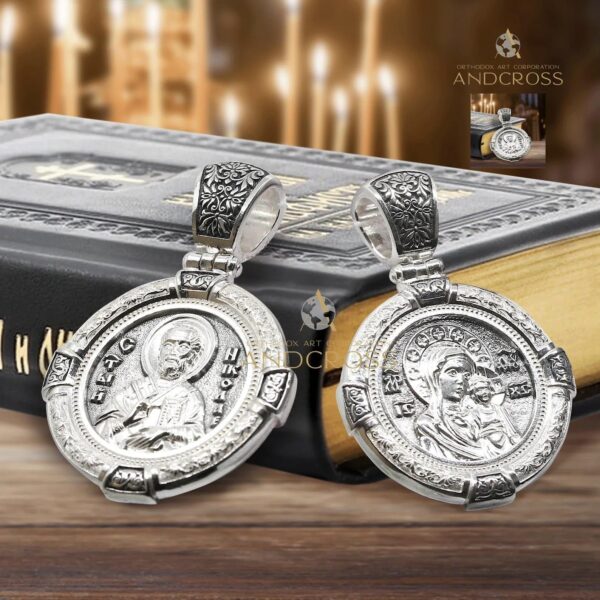
Andcross Orthodox online store offers a wide range of Orthodox products - gift sets, icons, icon cases, books, monastery candles, jewelry and much more. Some of the products of our own production, as well as from other suppliers - monasteries, temples, masters of the entire Orthodox world.
Andcross Orthodox Online Store - Established in 1999
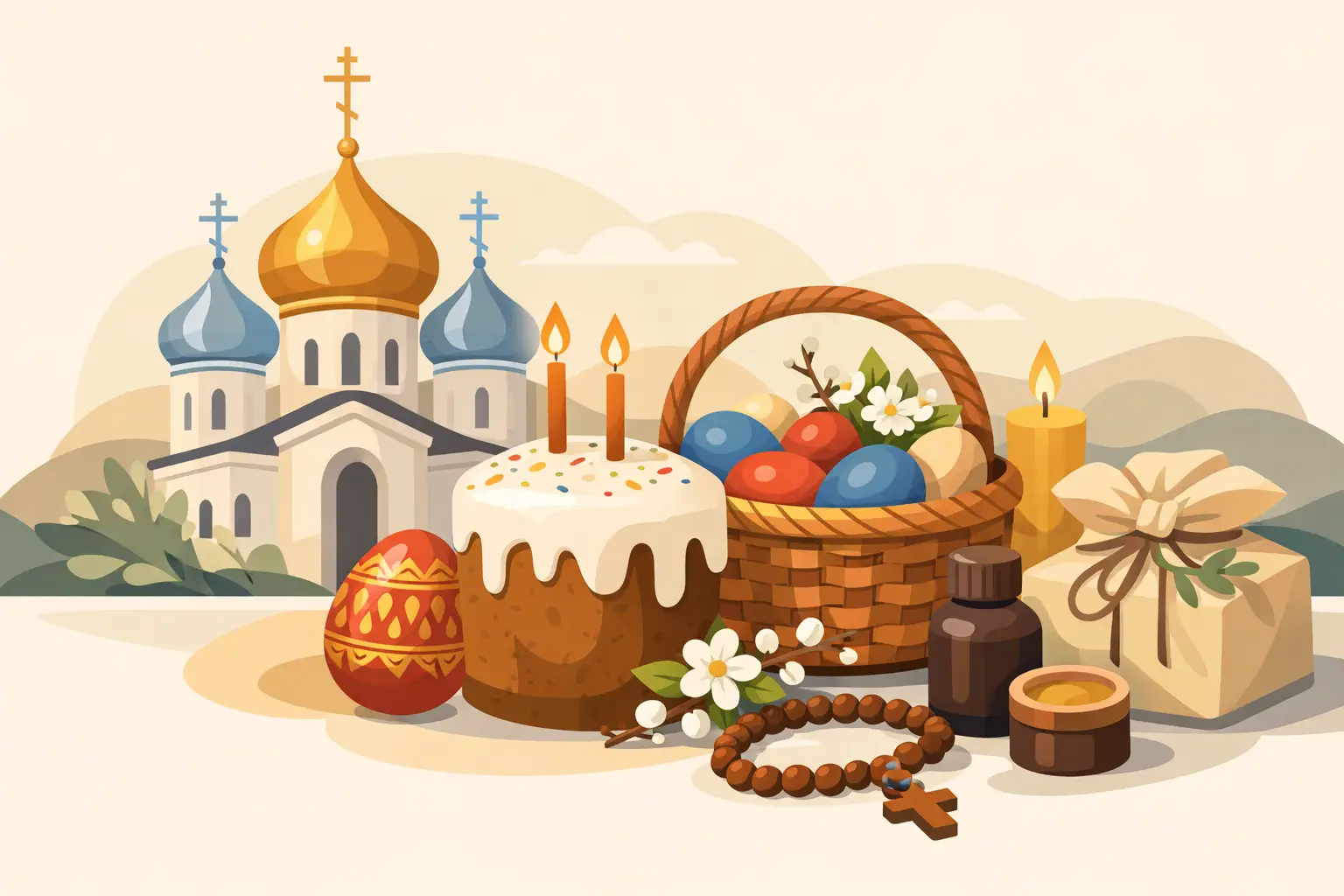
The Paschal greeting is exchanged with joy, but a gift for Easter should carry more than seasonal decoration. The best traditional Orthodox Easter gift ideas point quietly toward the Resurrection: a Cross worn close to the heart, an icon before which a family prays, a candle lit in the icon corner, or a book that gives words to faith. Chosen with care, such a gift can remain with its recipient long after the red eggs and festive meal have passed.
Pascha is the Feast of Feasts, and the gifts associated with it should honor that holy character. This does not require choosing the most expensive item. It asks for attention to the person, their stage of life, their patron saint, and the place the gift may hold in prayer.
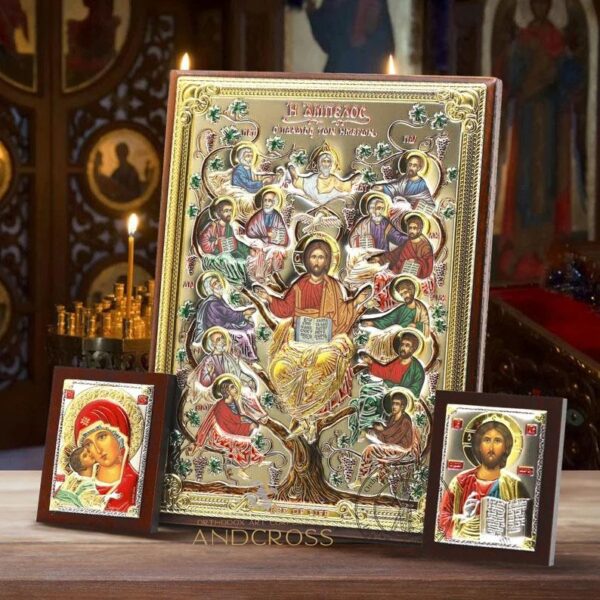
A small Orthodox icon is among the most fitting Paschal gifts because it is not merely a religious image or an object of display. It is a sacred reminder of Christ, the Theotokos, or the saints, inviting the faithful to prayer. For a newly married couple or a family establishing an icon corner, an icon of Christ the Savior, the Mother of God, or the Resurrection makes a particularly meaningful offering.
For personal gifts, choose an icon connected to the recipient’s baptismal or patron saint. An icon of St. Nicholas may suit someone known for generosity and care for others; St. George is often cherished by those who bear his name; St. Xenia of Petersburg is a beloved intercessor in many Orthodox homes. When selecting an icon, canonical imagery, clear craftsmanship, and a durable finish matter. A silver or gold-plated icon in a proper gift case can be kept for a lifetime and offered with dignity on the Bright Week.
An Orthodox cross is another enduring choice. For an adult, a carefully made silver cross or a gold cross can mark Pascha, a milestone, or a renewed commitment to the Christian life. For a child or godchild, a smaller cross with smooth edges and an appropriate chain may become a treasured part of daily life. The material should suit both the budget and the person’s needs. Sterling silver is reverent, practical, and well suited to regular wear, while gold offers exceptional longevity for a major family gift.
The Cross should never be chosen only as jewelry. Its form, inscription, and sacred symbolism are central. Traditional Russian Orthodox crosses, with their distinctive lower bar, are especially meaningful for families rooted in Slavic Orthodox tradition, while other canonical forms may be preferable according to family custom or parish practice.
For godparents, Pascha is a beautiful occasion to strengthen the spiritual bond established at baptism. A child’s first icon, prayer book, or small cross can become part of that growing relationship. If the child is very young, an icon of their guardian angel or patron saint is a wise choice, especially when presented with a simple explanation that the saint prays for us before God.
Older children may appreciate a prayer set with a child-friendly prayer book, wooden or natural-fiber prayer rope, and a small icon. The value lies not in creating a large collection, but in giving them something they can genuinely use. A prayer rope, for example, is best offered with gentle guidance from parents, godparents, or a priest rather than treated as an accessory.
For teenagers and young adults, a well-made pendant, ring bearing a Christian inscription, or pocket icon can feel personal without becoming overly elaborate. This is often the age when a young person begins taking responsibility for his or her own prayer rule. A compact Psalter or Gospel can also be a serious and lasting Paschal gift, particularly for a young adult who is studying the faith or preparing to build a home of their own.
Avoid making the gift feel like an obligation. A short Paschal card with the words “Christ is Risen” and a sincere personal blessing can give even a modest icon or cross deep warmth.
When giving to parents, grandparents, or a spouse, consider what may serve their prayer life at home. A larger icon for the icon corner, a pair of wedding icons, or an icon gift set can be especially appropriate for a household. Christ the Savior and the Most Holy Theotokos are traditionally given as a pair, expressing the center of Orthodox family life: devotion to Christ and trust in His Mother.
Monastery candles are a humble but deeply suitable Paschal offering. Their warm flame is associated with watchfulness and prayer, and candles made through monastic sources carry a special connection to the labor and devotion of the Church. They are especially welcome for someone who already has an established icon corner and values practical devotional articles.
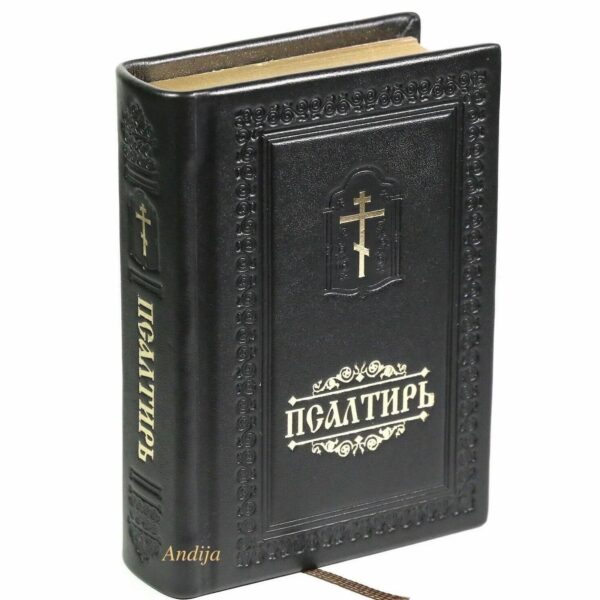
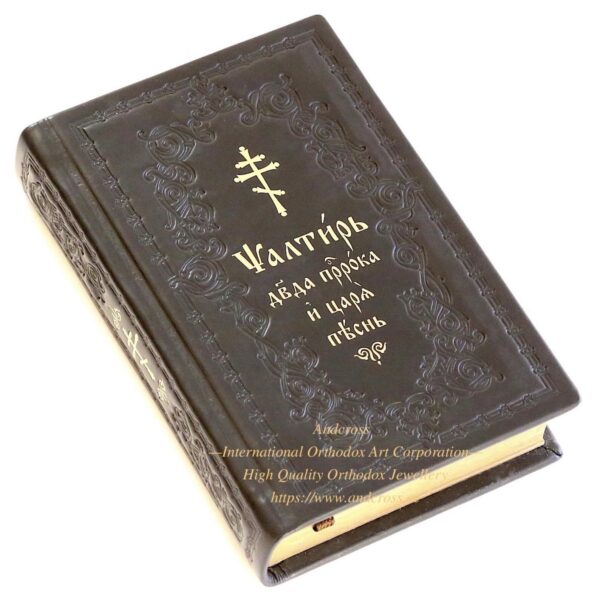
A Psalter makes a thoughtful gift for a person who regularly reads the Psalms, carries prayer through times of sorrow, or remembers departed loved ones. It is not a casual present, so it helps to know whether the recipient reads Church Slavonic, English, Greek, or another preferred language. The same care applies to Gospels and prayer books. A beautiful binding is valuable, but correct language, readable type, and a trusted Orthodox text matter more.
For a friend who is entering the Orthodox Church or learning its traditions, begin simply. A small icon of Christ, a prayer book, and beeswax or monastery candles may be more useful than a highly specialized liturgical item. The aim is to support a real beginning in prayer, not to overwhelm someone with unfamiliar objects.
Not every icon is equally suited to every occasion. A named-saint icon is personal; a Resurrection icon is directly connected to Pascha; and an icon of the Theotokos is often chosen for a mother, grandmother, or family home. A guardian angel icon is a gentle choice for children, baptismal gifts, and those facing a new chapter in life.
Consider where the icon will be kept. A small travel icon or desk icon works well for a student, office, or bedside table. A larger icon, often with a detailed metal oklad or hand-finished surface, is better suited to a home prayer corner. Dimensions should be checked before ordering, especially when the icon is intended for a particular wall, shelf, or icon stand.
Gift presentation also has its place. A protective case or presentation box helps preserve the icon and makes the moment of giving more reverent. Yet the true value of the icon is not its ornament. Whether modest or richly finished, it should be treated with care as an aid to prayer.
A Paschal gift becomes more personal when it reflects the recipient’s story. A cross can be selected in the metal they wear every day. An icon can honor a baptismal name. A custom-made silver, white gold, yellow gold, rose gold, or platinum piece may be appropriate for a baptism anniversary, engagement, wedding, or significant family celebration that falls near Pascha.
Custom work requires time, so it is best planned well before Holy Week. The same is true for international delivery, personalized inscriptions, and gifts requiring special gift packaging. A reputable Orthodox seller should clearly describe materials, dimensions, craftsmanship, and fulfillment expectations. Andcross, with its workshop-made pieces and devotional goods from monasteries and Orthodox craftspeople, reflects the value of knowing where a sacred gift comes from.
There is also wisdom in considering what the recipient already owns. Someone with several small icons may benefit more from a quality candleholder, a prayer rope, or a Psalter. Someone who has no cross may be grateful for one chosen with attention to comfort and traditional form. The right gift is not always the grandest one. It is the one that can be received, used, and kept with reverence.
The best moment to give an Orthodox Easter gift is often simple: after the Paschal Liturgy, during Bright Week, or at the family table after the greeting, “Christ is Risen!” There is no need for elaborate ceremony. Offer the gift respectfully, perhaps with a candle, a red egg, and a few words about why the saint, Cross, or sacred object was chosen.
A traditional Orthodox gift does not need to say everything at once. Its meaning can unfold over years – in a child’s first prayers before an icon, in a cross worn through ordinary workdays, or in the quiet light of a candle before the family icon corner. That is a fitting way to honor Pascha: with a gift that gently turns the heart toward the risen Christ.



Use this form to find things you need on this site