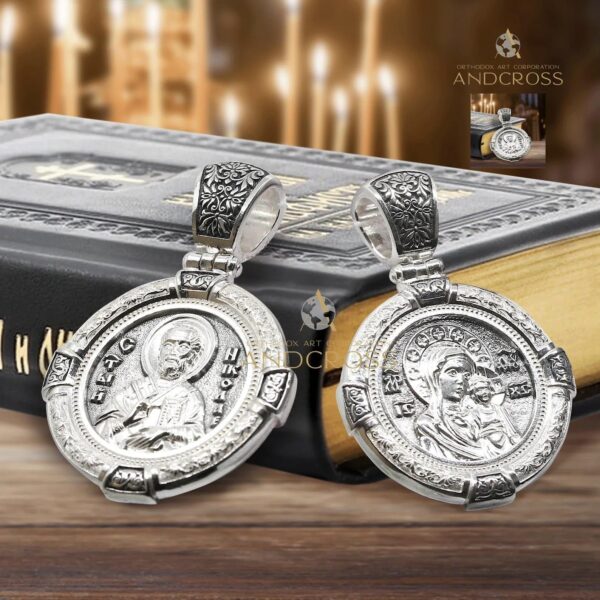
Andcross Orthodox online store offers a wide range of Orthodox products - gift sets, icons, icon cases, books, monastery candles, jewelry and much more. Some of the products of our own production, as well as from other suppliers - monasteries, temples, masters of the entire Orthodox world.
Andcross Orthodox Online Store - Established in 1999

A cross worn at Baptism, an icon placed in the home prayer corner, or a Psalter opened during a time of sorrow should never feel like an anonymous purchase. A trustworthy Orthodox online store helps the faithful choose articles that honor Church tradition while giving clear, practical information about craftsmanship, materials, dimensions, and delivery.
The internet offers many religious goods, but not every item described as Orthodox carries the same attention to canonical imagery, sacred symbolism, or honest workmanship. For Orthodox Christians and those entering the faith, the difference matters. Sacred objects are not decoration alone. They support prayer, mark holy occasions, and can remain in a family for generations.
A good Orthodox store begins with reverence for the Church’s artistic and devotional inheritance. Its catalog should make it possible to identify an icon by its feast, saint, or title; a cross by its form and inscription; and a prayer book by its contents and tradition. Vague labels such as “religious picture” or “Christian pendant” are not enough when a customer is seeking a particular patron saint, the Lord Pantocrator, the Mother of God of Kazan, or the Holy Trinity.
Look for detailed descriptions that state what an item is made from and how it is made. For an icon, this may include the image type, dimensions, metal finish, wooden base, and presentation case. For a cross or pendant, a proper description may identify sterling silver purity, gold plating, weight, size, chain compatibility, and the inscriptions or symbols on the reverse. Specific details allow a buyer to compare pieces honestly and select one suited to daily wear, a child, a baptismal gift, or a home icon corner.
The source of an item also deserves attention. Articles made in workshops devoted to Orthodox craftsmanship, as well as goods obtained from monasteries, temples, nuns, and skilled Orthodox artisans, often reflect a closer relationship to traditional forms. This does not mean every handmade item is automatically superior, nor does it mean an industrially produced article cannot be prayerful or useful. It means the buyer should be able to see where care, skill, and faithfulness to tradition have been placed into the work.
Orthodox icons have a language shaped by centuries of Church life. The holy figures, inscriptions, colors, gestures, and composition are not chosen merely for visual appeal. They bear witness to the Incarnation and direct the heart toward Christ, His Most Pure Mother, the angels, and the saints.
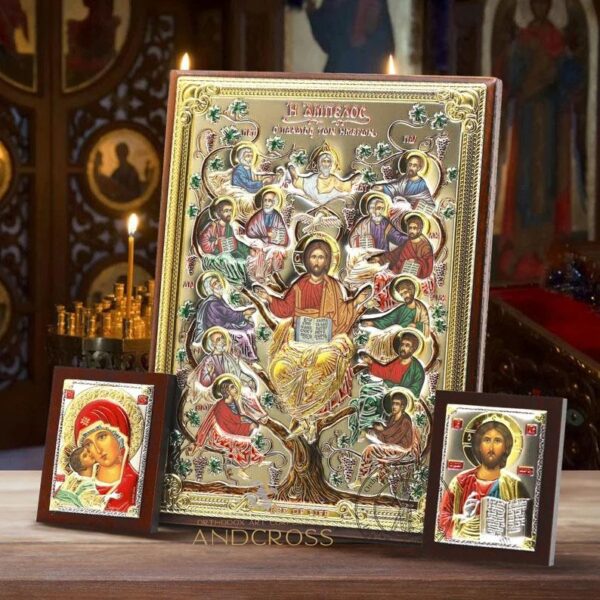
When choosing an icon online, seek clear naming and recognizable Orthodox iconography. A store should distinguish between a painted icon, an icon with a silver or gold-plated cover, and a printed devotional image. Each can serve a place in Christian life, but they are different objects with different levels of craftsmanship and price.
It is also wise to read whether an icon is offered as consecrated, blessed, monastery-made, or simply produced according to Orthodox tradition. These terms should be used carefully. If an item is not described as consecrated, it may be brought to a priest for blessing according to local pastoral practice. The essential purpose is not to collect rare objects, but to keep a prayerful image of the Lord or saint before us.
A well-organized catalog makes a devotional purchase less uncertain. The best choice depends on the occasion, the recipient, and the intended use.
For Baptism or a child’s name day, a durable Orthodox cross in sterling silver or gold is often chosen for lifelong wear. Size matters more than many gift buyers expect. A small, smooth-edged cross may suit a child, while a larger hand-finished piece can be fitting for an adult. Check the bail opening if a chain is being purchased separately, and consider whether a gift box is included.
For a wedding, anniversary, house blessing, or family milestone, an icon of Christ and the Theotokos may be especially fitting. A matching icon set can be a meaningful gift for newly married couples, while an icon of a patron saint is personal without being overly formal. For those grieving a loved one, a Psalter, prayer book, memorial candle, or icon of the Resurrection can offer a quiet and appropriate expression of remembrance.
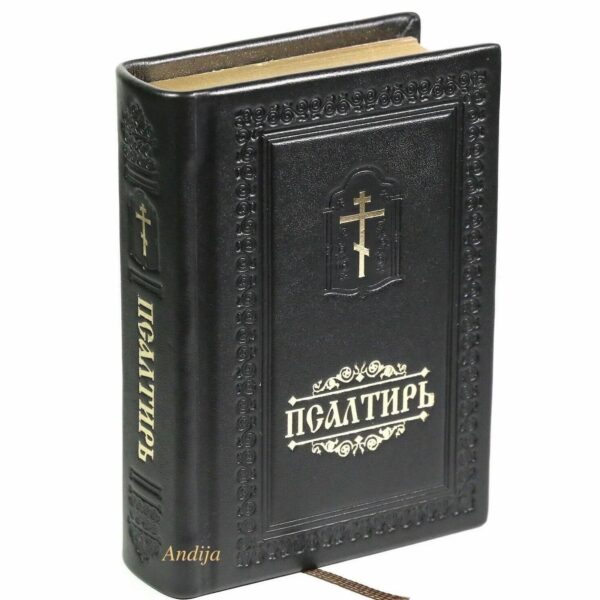
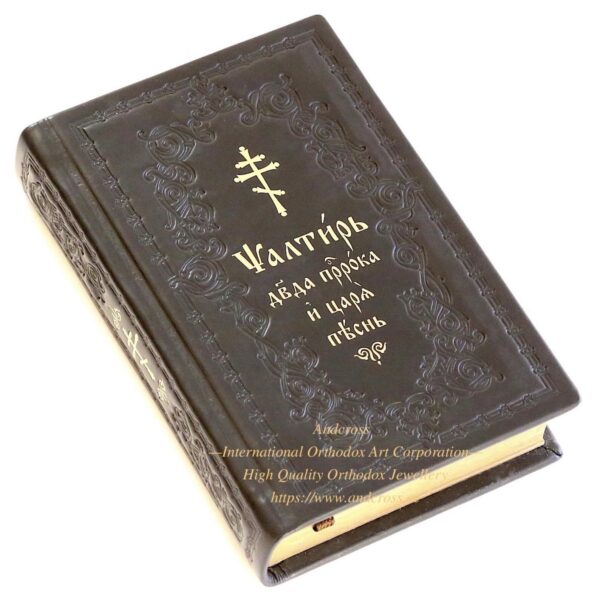
Prayer sets and liturgical books require a little more care. Confirm the language, translation, print size, binding, and contents before ordering. A compact prayer book may be ideal for travel and daily use, while a larger Psalter can be more comfortable for home reading. If the recipient follows a particular parish or jurisdictional custom, choosing a familiar text or edition may be preferable.
Sacred jewelry is often purchased as both a devotional article and a lasting personal gift. Silver crosses, icon pendants, rings, and medallions can be worn daily, but their practical qualities vary. Sterling silver develops a natural patina and can be polished. Gold-plated pieces offer a warm appearance at a more accessible price, though the surface requires gentler care than solid gold. Solid gold, platinum, and custom work are appropriate when durability, heirloom value, or a particular design is the priority.
A reputable seller should not conceal these differences. The right material depends on budget, frequency of wear, sensitivity to certain metals, and the significance of the occasion. Fine relief work, hand-applied details, and traditional inscriptions often make a piece more expressive, but they may also call for more careful handling.
Custom orders are especially valuable when a customer needs a particular saint, a different metal color, an engraved dedication, or a size not commonly available. Before commissioning a piece, provide the desired dimensions, material, deadline, and any requested inscription. Ask whether the design will follow an existing model or be produced specifically for the order. Clear expectations protect both the customer and the craftsperson.
Reverence should be joined to responsible service. An Orthodox online store serving customers across the United States and worldwide needs to present its shipping procedures, processing times, payment security, return terms, and customer support plainly. Handmade, custom, and monastery-sourced articles may require more preparation time than mass-produced goods. That is understandable, especially for a special commission, but the expected timeframe should be visible before purchase.
Product photographs matter as well. Multiple clear images can show the icon border, the depth of metalwork, a pendant’s reverse side, or the scale of a cross in the hand. Measurements in inches and centimeters are helpful for international customers. Gift buyers should also be able to tell whether an item arrives in a case, box, or other suitable presentation.
Customer reviews can offer useful evidence, particularly when they mention communication, craftsmanship, packaging, and whether the item matched its description. Reviews are not a substitute for reading specifications, but a consistent record of thoughtful service is reassuring. Established specialty stores such as Andcross also show their value through a broad range of traditional articles, attentive custom work, and an understanding that a sacred gift often carries deep personal meaning.
It can be tempting to purchase many items at once when creating a first icon corner or preparing for a feast day. Usually, a more prayerful approach is to begin simply. An icon of Christ, an icon of the Theotokos, a small cross, and a candle are enough to establish a place set apart for prayer. Additional icons of patron saints, feast days, or beloved saints can be added over time.
Choose what will genuinely be used. A beautiful icon deserves a clean, respectful place in the home. A prayer rope should invite regular prayer rather than sit unopened in a drawer. Candles should be burned safely in a proper holder and never left unattended. The worth of these articles is revealed not by quantity, but by the prayer, gratitude, repentance, and remembrance they encourage.
When selecting an Orthodox gift or devotional object, give yourself time to read, compare, and ask questions. A carefully chosen cross, icon, or book can become a faithful companion in prayer and a quiet witness of Christ within the home.



Use this form to find things you need on this site